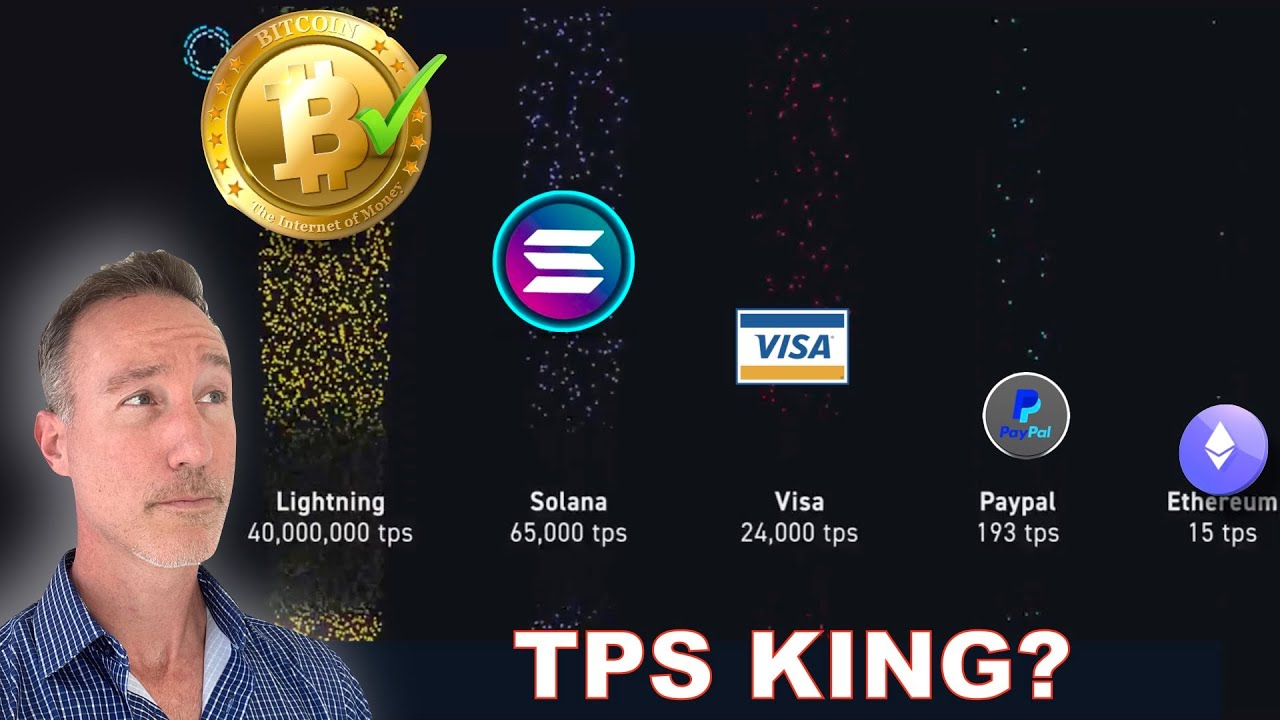
Understanding TPS: Its Importance and What’s Really Happening
In today’s fast-paced world, Transaction Per Second (TPS) is becoming an increasingly crucial metric in the realm of blockchain and cryptocurrency. Whether you’re a seasoned investor, a curious newcomer, or just someone interested in the technological innovations that are reshaping our financial landscape, it’s essential to understand TPS and its implications. In this post, we will explore what TPS is, why it matters, and what is currently happening in the world of TPS.
What is TPS?
Transaction Per Second (TPS) refers to the number of transactions that a blockchain or network can process in one second. It is a key indicator of a blockchain’s scalability and efficiency. In simpler terms, TPS measures how quickly a network can handle operations, which can impact user experience, network congestion, and overall functionality.
For example, Bitcoin has a maximum TPS of around 7, while Ethereum can handle approximately 30 transactions per second. In comparison, newer blockchain technologies like Solana can achieve significantly higher TPS, upwards of thousands.
Why is TPS Important?
1. Scalability
One of the most significant challenges facing blockchain technology today is scalability. As the number of users and transactions increases, networks must be capable of handling a higher volume of transactions without slowing down or compromising security. A higher TPS indicates that a blockchain can better scale, making it more appealing for applications involving mass adoption.
2. User Experience
A key factor that attracts users to blockchain platforms is the efficiency of service. If transactions take too long to complete, users may become frustrated and look elsewhere for faster alternatives. Therefore, a high TPS directly contributes to a smoother and more enjoyable user experience.
3. Network Congestion
High TPS can help alleviate network congestion, which is a common issue during peak transaction times. When a network gets overloaded, transaction speeds can drop significantly, leading to delays and higher fees. Maintaining an optimal TPS allows for smoother operations and minimizes adverse effects during high-demand situations.
4. Competitive Advantage
In a crowded market filled with blockchain networks vying for attention, a higher TPS can provide a competitive edge. Platforms that can handle more transactions efficiently may attract more developers and users, resulting in greater ecosystem growth.
Current Trends in TPS
Emerging Technologies
Many new blockchain technologies are aiming to improve TPS. Layer 2 solutions, such as Lightning Network for Bitcoin, and optimistic rollups for Ethereum, are being developed to enhance the transaction capacity of existing blockchains. These solutions aim to allow billions of transactions while maintaining security and integrity.
Cross-Chain Compatibility
As various blockchain networks start to interact with one another, Cross-Chain technology is becoming increasingly relevant. Projects focusing on interoperability can significantly benefit from improved TPS, allowing seamless transactions across platforms without bottlenecks.
Real-World Applications
Many industries recognize the need for higher TPS in specific applications. For example, in finance, faster transactions can enhance services like trading and payment processing. In gaming, high TPS can lead to more responsive gameplay, and in logistics, quick data transfers can facilitate better tracking and inventory management.
TPS Metrics and Evaluation
Monitoring TPS has become more accessible thanks to the advent of various dashboards and analytical tools. For instance, checking out TPS through platforms like ChainSpect gives users real-time insights into network performance. Analyzing these metrics can help investors and developers make informed decisions regarding their projects or investments.
Conclusion
In summary, understanding Transaction Per Second (TPS) is crucial for anyone interested in blockchain technology. This vital metric serves as an essential indicator of a network’s capability to handle transactions efficiently, contributing to scalability, user satisfaction, and competitive advantage. As technology evolves and new solutions emerge, staying informed about TPS trends will better equip you to navigate the ever-changing landscape of blockchain.
To see the latest TPS statistics and gain deeper insights into current network performance, visit ChainSpect for comprehensive analytics that will help you stay informed and make better decisions. Whether you’re an investor, developer, or just a technology enthusiast, being aware of TPS and its implications will offer you a significant advantage in understanding the future of blockchain technology.
Originally published on YouTube. Watch the full video here.