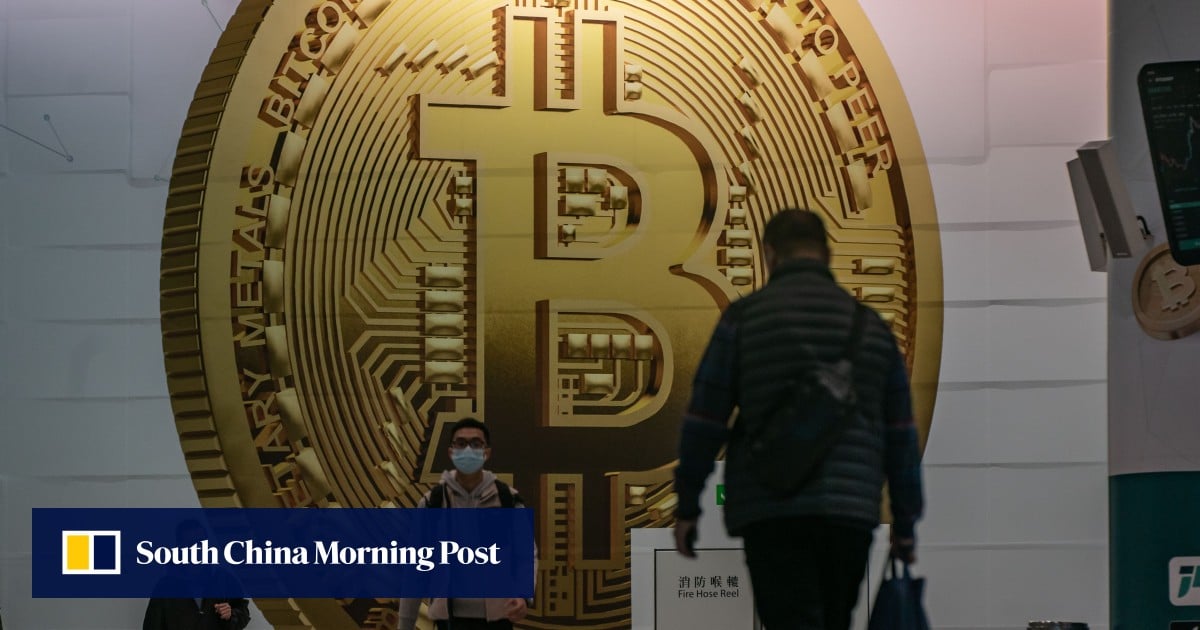
The University of Hong Kong: Embracing Digital Currencies for Tuition and Donations
As the landscape of financial transactions evolves, academic institutions are beginning to adapt to the changing tide of digital currencies. The business school at the University of Hong Kong (HKU), the oldest university in the region, is taking a pioneering step by exploring the use of digital currencies for tuition payments and charitable donations.
A Strategic Move in the Landscape of Virtual Assets
This initiative comes at a pivotal moment as Hong Kong is striving to establish itself as a leading hub for virtual assets. The city is also keen on addressing the financial risks associated with this emerging sector. In line with these objectives, the recently enacted Stablecoins Ordinance took effect on August 1, providing a regulatory framework that supports the safe integration of digital currencies into everyday transactions.
The Vision Behind the Initiative
During a recent forum, Professor Cai Hongbin, the esteemed dean of the Faculty of Business and Economics at HKU, voiced strong support for the new approach. He emphasized the readiness of the university to embrace this innovative financial method, stating, “All the technical details have been sorted out. We will take bitcoin and digital currencies for tuition fees and donations in the future.”
This straightforward announcement signals HKU’s commitment to remaining at the forefront of academic finance. It reflects not only the acceptance of digital currencies in educational institutions but also provides a means to diversify funding sources through technological advancement.
Financial Accountability and Risk Management
Professor Cai addressed the potential financial setbacks that could arise from this initiative, stating, “If we lose money, we will be losing the money of the faculty … It’s ok, we can take care of it, but at least let us give it a try.” This notable sentiment underscores the conscious balance HKU intends to maintain between innovation and financial prudence. By acknowledging the risks, the university aims to ensure that its exploration of digital currencies is both progressive and responsible.
Support from Industry Leaders
The forum was not just a platform for HKU’s announcements but also a gathering for key figures in the cryptocurrency sector. Notably, Zhao Changpeng, the founder and largest shareholder of the cryptocurrency exchange Binance, attended the event. Changpeng expressed confidence in Hong Kong’s potential to become a significant player in the virtual asset market, asserting that the city has the necessary conditions to rival financial powerhouses like the United States and the United Arab Emirates.
The Importance of Government Support
To catalyze this ambitious goal, Changpeng advocates for swift governmental actions that would encourage innovation and investment in the cryptocurrency sector. Regulatory support and a clear framework would not only benefit institutions like HKU but also foster a robust ecosystem where startups and established businesses can thrive.
Conclusion: A Step Towards the Future
The steps being taken by HKU’s business school to integrate digital currencies into their financial operations represent a broader shift in the academic and financial sectors. As institutions embrace technology and innovative approaches, they pave the way for new kinds of financial engagement that could redefine how education is financed. With the support of thought leaders in the cryptocurrency field and a proactive regulatory environment, Hong Kong stands on the brink of becoming a beacon for digital finance in education and beyond.
In conclusion, the initiative spearheaded by HKU not only showcases the university’s commitment to modernization but also sets a precedent for other academic institutions to follow. As we watch this story unfold, it becomes clear that the future of finance and education is intertwined, and HKU is poised to play a leading role in this transformation.
Explore More:
Latest Bitcoin News |