Exploring the Growing Importance of Stablecoins in the Cryptocurrency World
If you haven’t heard of stablecoins yet, chances are you will soon. Stablecoins represent one of the most dynamic segments of the cryptocurrency market, rapidly gaining traction among businesses and consumers alike.
Big companies like Amazon and Walmart are considering adopting stablecoins, while major banks such as JPMorgan Chase and Citigroup are exploring the possibility of launching their own stablecoins. This goes to show the growing importance of stablecoins as part of the financial ecosystem.
Moreover, the U.S. Congress is on the verge of passing legislation that would provide a formal framework for the stablecoin sector, effectively integrating these digital assets into U.S. regulations. This legislative movement has sparked significant interest and excitement in the crypto community.
The Appeal of Stablecoins: A Safer Cryptocurrency Option
There’s a reason behind the buzz surrounding stablecoins. The underlying vision of stablecoins is to facilitate seamless, instantaneous global money transfers, bypassing traditional banks and money transfer companies that often impose high fees and lengthy processing times.
However, detractors point out that risks remain. Stablecoins are still relatively new, and regulations are constantly evolving, which can attract bad actors looking to exploit the system for illicit purposes.
A Brief Overview of Stablecoins
Stablecoins are unique in the cryptocurrency landscape because they offer a measure of stability that is typically absent in other cryptocurrencies. The value of a stablecoin is pegged to a reserve asset, often a fiat currency like the U.S. dollar. For example, if a stablecoin is marketed to be worth $1, the issuer must have $1 in reserve to back that stablecoin. This setup is designed to provide users with a sense of security when trading and transferring money.
As NPR’s Planet Money elaborates, stablecoins can be likened to casino chips. You can exchange your cash for chips to gamble, and when you’re finished, you return your chips for cash. This analogy highlights the trust placed in the entity behind the stablecoin, as users expect to convert their stablecoins back to fiat currency at any time.
The Key Players in the Stablecoin Market
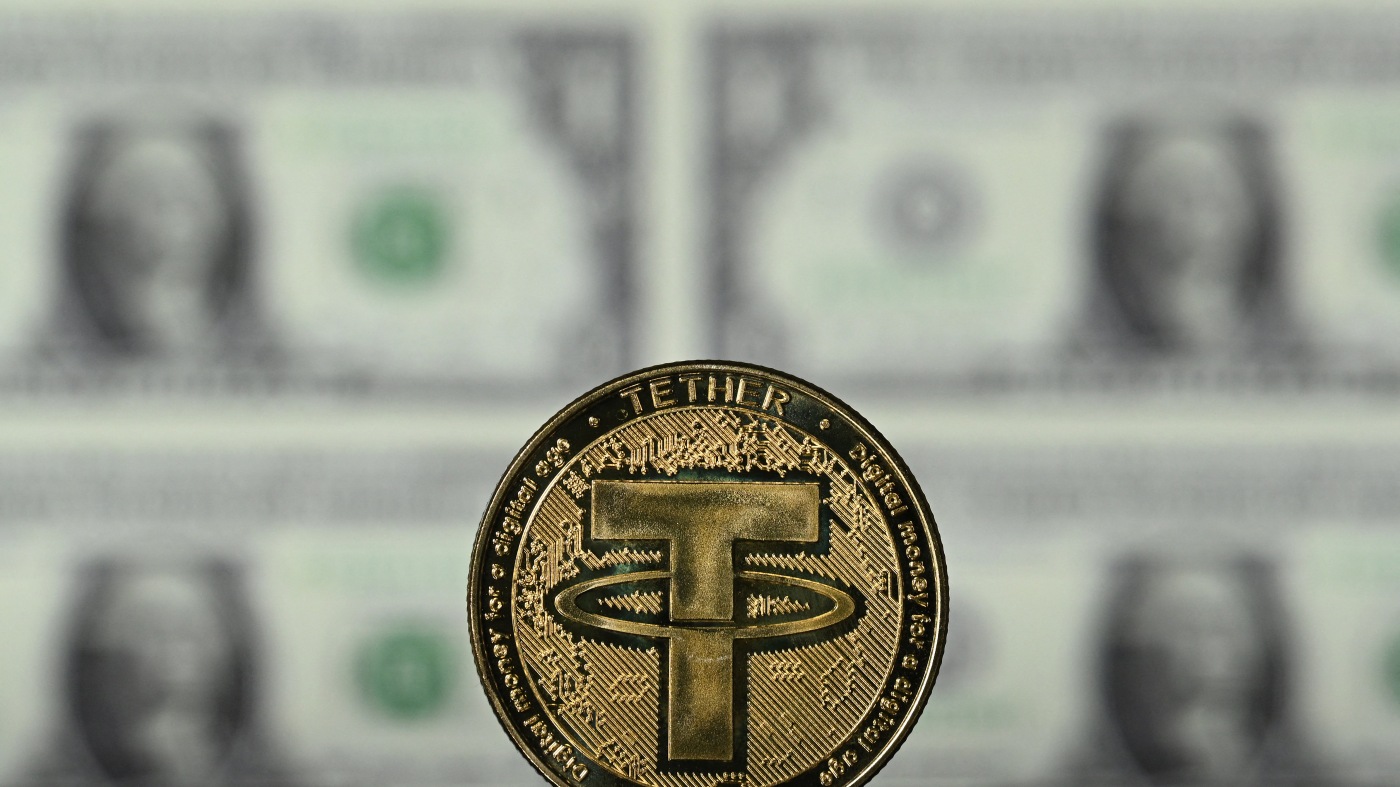
The largest player in the stablecoin market is Circle, which issues USDC. Another noteworthy entity is Tether, based in El Salvador, which issues USDT. Recently, even high-profile figures like former President Trump have jumped into the stablecoin sphere; for instance, World Liberty Financial, in which his family has financial stakes, has launched a stablecoin called USD1. However, it currently holds a minimal market share.
The market for stablecoins is currently valued at over $250 billion, with projections estimating this figure could balloon to between $1.6 trillion and $3.7 trillion by 2030. This rapidly growing market continues to attract significant attention from both institutional and retail investors.
The Legislative Landscape
As stablecoins gain traction, legislative bodies are closely monitoring and crafting regulations. The recent GENIUS Act, passed by the Senate, mandates that stablecoin issuers maintain proper one-to-one reserves and comply with anti-money laundering regulations. However, critics argue that these measures are insufficient and leave many gaps.
The Real-World Benefits
The excitement surrounding stablecoins stems from their potential real-life applications. They can revolutionize how money is transferred in a digital age where digital wallets and mobile payments are increasingly commonplace.
In developing countries, where access to the U.S. dollar may be limited, businesses engaged in international trade are already leveraging stablecoins to expedite money transfers. Traditional banking methods can take days or weeks, whereas stablecoins can facilitate instant transactions across borders, significantly reducing the time and costs involved.
For example, Yellow Card, a stablecoin payments company operating in 16 African countries, emphasizes how stablecoins act as a “bridge” for companies to connect with the global economy. According to CEO Chris Maurice, businesses of all shapes and sizes face payment challenges, particularly in international transactions.
Challenges and Concerns
While stablecoins offer many advantages, apprehension remains about their safety and security. Stablecoin issuers are tasked with safeguarding customers’ assets and maintaining proper reserves. Critics like former SEC regulator John Reed Stark raise concerns about the lack of transparency and oversight in the stablecoin market. He states that stablecoin transactions lack public audits and examinations, making it difficult for consumers to trust these entities fully.
Additionally, there are worrisome associations between stablecoins and illicit activities, such as drug trafficking and fraud. Bad actors may use stablecoins for transactions that require an element of anonymity, raising significant regulatory concerns.
Should a significant number of users withdraw their funds simultaneously—a scenario akin to a bank run—it could result in widespread disruption within the financial sector. Stablecoin issuers holding reserves in traditional banks could find themselves in a precarious situation, leading to instability across the broader financial landscape.
The Path Forward
Despite the various challenges, the path for stablecoins could pave the way for transformative changes in global finance. As the marketplace for stablecoins becomes more robust, stakeholders are entering a dialogue about balancing innovation with regulatory vigilance.
The potential of stablecoins to simplify financial transactions, especially for international payments, cannot be understated. As financial services continue to evolve, stablecoins could very well play a critical role in shaping the future of money.
Explore More:
Latest Bitcoin News |