Introduction: A Setback for Cryptocurrency Regulation
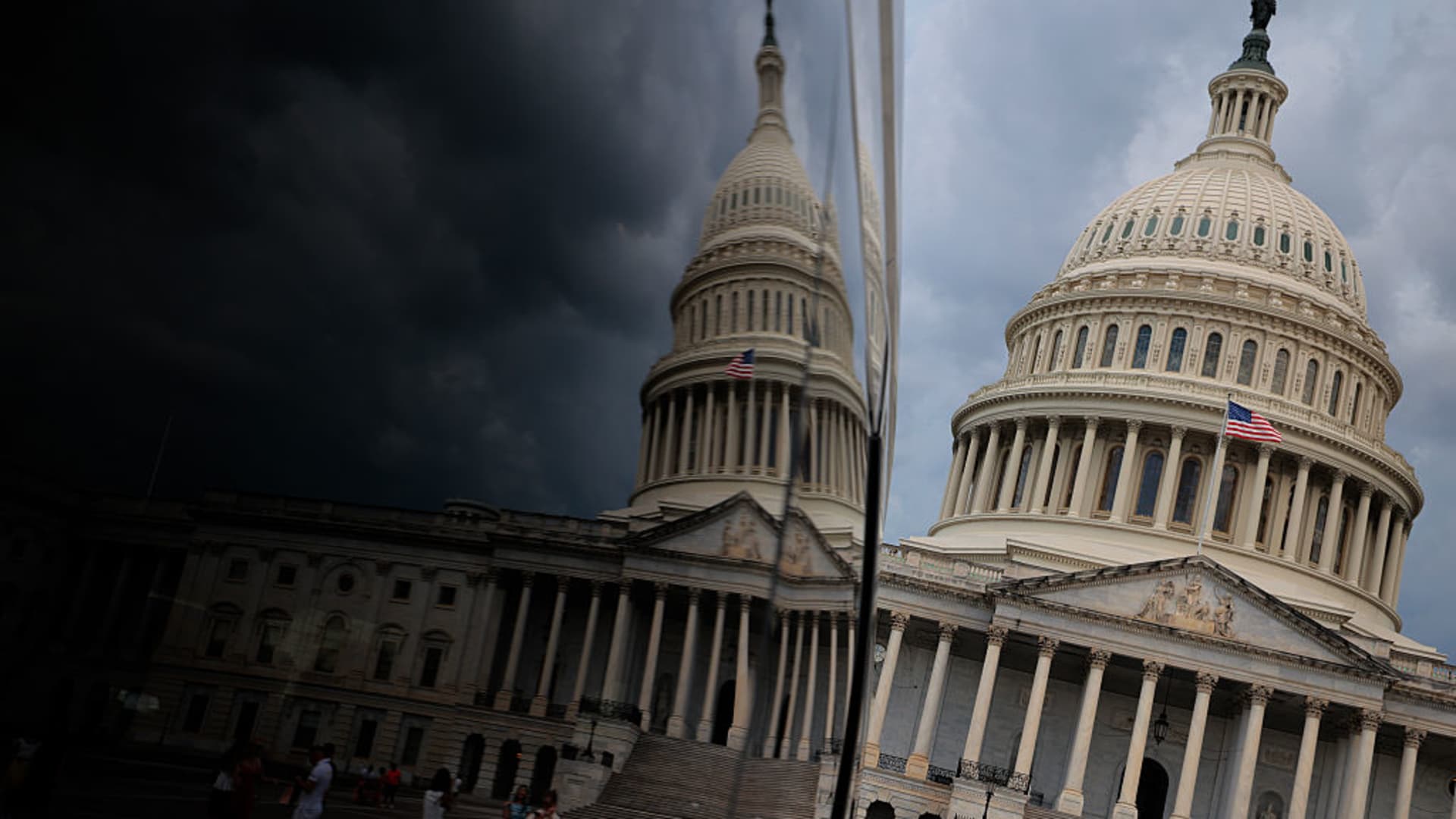
On July 1, 2025, a significant setback was witnessed in the pursuit of cryptocurrency regulation in the United States. Several bills aimed at shaping the future of digital assets, which found backing from former President Donald Trump, failed to clear a crucial procedural hurdle in the House of Representatives. This failure marks a pivotal moment for the cryptocurrency industry, prompting concerns over its future regulatory landscape.
The Vote and Its Implications
The final vote on the proposed rule was 196-223, with 13 Republicans joining Democrats in blocking the procedural motion. This stance was particularly noteworthy, given that it reflected a rare instance of House Republicans diverging from the direction of Trump, who had publicly supported these measures. The inability to advance the legislation means it cannot proceed until the House approves the rule, which governs subsequent debate.
Amid the backdrop of what was being promoted as “Crypto Week,” this unsuccessful vote has left proponents and investors in the cryptocurrency space disheartened. House leadership has indicated plans for a subsequent vote on the same day, although it remains uncertain if this will involve the same rule or if adjustments will be made to appease the dissenting members within the GOP.
Market Reactions
The reaction in the markets was swift. Crypto-related stocks experienced a downturn following the vote’s failure. Shares of Circle, a major stablecoin issuer, plummeted by over 7%. Meanwhile, cryptocurrency exchange Coinbase saw a dip of more than 4%, and shares of digital asset firm MARA Holdings fell by more than 2%. These fluctuations highlight the sensitivity of the cryptocurrency market to regulatory news.
Key Legislation in Limbo
Among the most important pieces of legislation caught in this legislative limbo is the GENIUS Act. Recently passed in the Senate with some support from Democrats, this bill aims to establish regulations governing stablecoins. The GENIUS Act represents a significant effort to create a more structured environment for cryptocurrency, addressing growing concerns over the safety and regulation of digital currencies.
Another key bill is the CLARITY Act, which proposes standardized rules to determine whether an asset should be regarded as a security under the jurisdiction of the Securities and Exchange Commission (SEC) or as a commodity regulated by the Commodity Futures Trading Commission (CFTC). This distinction is crucial for investors and companies operating within the crypto space, as it determines the regulatory framework they will be subjected to.
Lastly, the third proposal in jeopardy seeks to safeguard against the Federal Reserve’s creation of a central bank digital currency (CBDC). This is a contentious issue, reflecting concerns from various factions within the GOP regarding government control over digital assets and the implications that a CBDC might have on the broader cryptocurrency industry.
Voices from Congress
Rep. Marjorie Taylor Greene of Georgia was one of the Republican representatives who opposed the measures. In a statement, she expressed her strong dissent concerning the GENIUS Act, citing its lack of provisions for a ban on Central Bank Digital Currency. Greene emphasized that this was a significant omission, given Trump’s previous executive order advocating for a ban on CBDCs. She argued that Congress must align its legislative efforts with the executive’s initiatives.
Former President Trump’s involvement in this legislative process has added a layer of visibility and urgency. Earlier that day, he touted “Crypto Week” on Truth Social, urging all House Republicans to support the measures. Trump’s passionate assertion that the GENIUS Act would position America as the global leader in digital assets underscores the high stakes associated with these legislative efforts. He stated, “Digital Assets are the FUTURE, and we are leading by a lot!”
The Future of Cryptocurrency Regulation
The failure of these crucial bills raises important questions about the future of cryptocurrency regulation in the U.S. The swift market reactions and the clear divisions within the Republican Party illustrate the complexities and contentious nature of this emerging field. As the cryptocurrency landscape continues to evolve, the need for comprehensive regulation becomes ever more pressing.
Advocates for crypto regulation argue that clear guidelines will foster innovation and protect consumers, encouraging greater adoption of digital assets. However, the intense ideological divisions surrounding the regulations reflect a broader struggle over the role of government in the financial sector.
As House leadership prepares for another vote, the future of these pieces of legislation—and the broader trajectory of cryptocurrency regulation—remains uncertain. Stakeholders will be keeping a keen eye on developments in Congress, as any progress could prove instrumental in shaping the regulatory environment for years to come.
Conclusion
In summary, the recent procedural failure in the House of Representatives to advance key cryptocurrency bills has sent ripples throughout the industry, influencing market dynamics and highlighting the critical necessity for regulatory clarity. The upcoming votes and the decisions made within Congress will be pivotal in determining how the United States navigates the rapidly changing landscape of digital assets. As we move forward, the intersection of politics and cryptocurrency will undoubtedly continue to captivate the attention of investors, policymakers, and consumers alike.
Explore More:
Latest Bitcoin News |