China’s Evolving Stance on Digital Currencies: A New Era for Stablecoins?
China has historically been apprehensive about digital currencies, perceiving them as potential threats to financial stability, capital control mechanisms, and instruments of speculation or fraud. The country’s firm stance against cryptocurrencies reached a peak in 2021 when it implemented a comprehensive ban on crypto mining and trading, seemingly signaling the end of any domestic initiatives surrounding blockchain technology. However, in a significant turn of events, Chinese policymakers are now contemplating the introduction of yuan-backed stablecoins. This shift aims to bolster the renminbi’s positioning in the global economy, marking a notable transition from outright prohibition to a more pragmatic approach, albeit with stringent regulatory frameworks.
Stablecoin Roadmap Under Review
Reportedly, the State Council is currently evaluating a roadmap to develop stablecoins pegged to the yuan, with cities like Hong Kong and Shanghai selected as potential pilot zones for their deployment. In the forthcoming weeks, senior leadership is set to convene to clarify the parameters surrounding the issuance of these stablecoins, the regulatory landscape, and safeguards to mitigate risks such as capital outflows and illicit financial activities. This cautious approach reflects China’s longstanding concern regarding capital escape and signifies a profound recalibration of its financial strategy.
The motivation behind this shift is multifaceted. There is an increasing dominance of dollar-pegged stablecoins in global commerce, alongside growing lobbying efforts from Chinese technology companies eager to launch offshore digital yuan tokens. This changing landscape underscores the importance of innovation for China, which risks losing its competitive edge in the digital finance arena to the U.S. and its allies. In this context, stablecoins have evolved beyond mere speculative assets; they have emerged as pivotal geopolitical instruments.
From Prohibition to Pragmatism
China’s ban on cryptocurrency in 2021 was sweeping and extensive. It targeted various aspects of the crypto landscape, from Bitcoin mining operations in Inner Mongolia to offshore exchanges catering to domestic investors. The justification was straightforward: cryptocurrencies were deemed volatile, energy-intensive, and capable of subverting state control over monetary systems. However, the global financial environment has shifted dramatically over the past four years. Stablecoins have transitioned from being a niche element within crypto to an essential component of mainstream financial infrastructure, facilitating billions in daily transactions and serving as vital working capital for exporters in regions with limited access to U.S. dollars.
For Chinese businesses, the rapid ascent of dollar-linked stablecoins has posed both opportunities and challenges. Exporters finding themselves paid in USDT or USDC can navigate around certain banking frictions, allowing for quicker settlements with overseas clients. This scenario has raised alarms within Beijing, as the increasing reliance on the U.S. dollar in international digital trade could exacerbate its entrenchment. In response, policymakers are viewing the creation of tightly regulated yuan-backed stablecoins as a viable countermeasure.
The Role of Hong Kong and Shanghai
The selection of Hong Kong and Shanghai as the geographic focus for China’s stablecoin experiments is particularly noteworthy. Hong Kong has already implemented a Stablecoin Ordinance, establishing a licensing requirement for issuers and enforcing strict oversight over reserves and redemption rights. This positioning allows Hong Kong to serve as an experimental hub for digital finance, benefiting from a more liberal regulatory environment under the “one country, two systems” principle.
Conversely, Shanghai is poised to become the operational center for mainland China, enhancing its ambitions to emerge as a global financial hub akin to New York and London. By concentrating stablecoin trials in these two locations, China aims to cautiously explore global use cases while maintaining control through its capital account firewall.
Global Currency Ambitions
China’s long-term goal is evident: to internationalize the yuan in its digital form. Currently, the renminbi constitutes just under 3% of worldwide payments, in stark contrast to the U.S. dollar, which dominates with nearly 50%. If successfully implemented, a yuan-backed stablecoin could facilitate a parallel channel for cross-border settlements, circumventing systems like SWIFT and U.S. correspondent banks.
The potential ramifications are significant. For decades, the dominance of the U.S. dollar has been firmly rooted in both economic strength and robust payment infrastructure. Stablecoins have emerged as a mechanism that could gradually undermine that infrastructure advantage. A yuan-backed stablecoin would offer a reliable alternative in crucial global trade corridors, particularly in regions such as Asia, Africa, and parts of Latin America, where China’s presence in trade and investment is expanding significantly.
The Belt and Road Initiative presents an ideal context for trialing this stablecoin concept. Many existing infrastructure projects financed by Chinese banks already utilize yuan for lending and repayment. A stablecoin application would streamline these financial flows, mitigate reliance on foreign currencies, and potentially ensconce partner nations more deeply within China’s financial ecosystem.
Balancing Innovation and Control
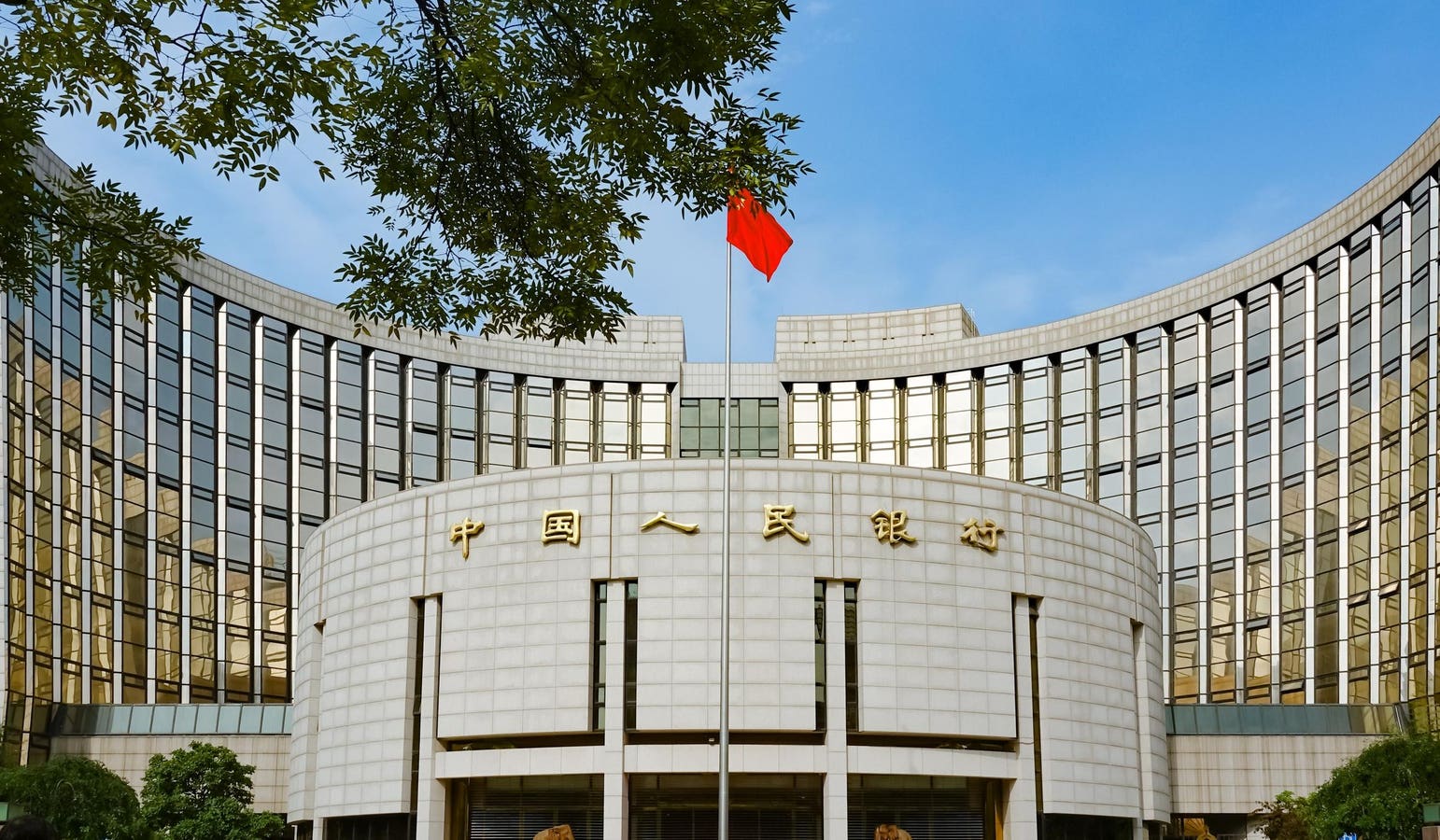
Nevertheless, Beijing’s wariness is palpable. Concerns about capital flight and money laundering persist. The e-CNY was developed as a centralized system to ensure traceability, while any stablecoins, even if issued by accredited banks or tech entities, would likely operate on distributed networks. This creates a dilemma regarding how to allow programmability and user flexibility without compromising the People’s Bank of China’s (PBOC) control over the capital account.
Reports indicate that only a select number of state-affiliated institutions, potentially including major state banks, would be initially permitted to issue yuan-backed stablecoins. The scope for redemption may be strictly geofenced, likely catering to B2B trade settlements rather than retail applications. Additionally, the PBOC is anticipated to implement real-time reporting requirements, reserve mandates, and caps on redemptions to prevent destabilizing financial flows.
This balance will ultimately be pivotal to the success of the initiative. Excessive control could result in stablecoins that are cumbersome and unattractive, while inadequate oversight could trigger the very capital flight that Beijing seeks to avoid.
Implications for Fintech and Global Markets
The potential introduction of yuan-backed stablecoins holds transformative promise for fintech industries. Opportunities abound for custody providers, compliance technology firms, and payment processors to support the growing infrastructure of issuance and redemption. Chinese tech giants like JD.com and Ant Group, which have actively lobbied for offshore stablecoins, may play crucial roles in building consumer and merchant-facing applications.
For emerging markets, the implications could extend even further. Platforms across regions like Africa or Southeast Asia could adopt yuan stablecoins as settlement instruments, reducing their dependence on dollars and smoothing transactions with Chinese suppliers. In areas where U.S. dollar liquidity is a challenge, a yuan alternative might significantly reshape local foreign exchange dynamics.
Global investors are closely monitoring the situation. Should yuan-backed stablecoins gain traction, they could introduce new asset classes and exchange-traded funds (ETFs) tied to Chinese digital currency infrastructures. This scenario may also challenge the market valuations of existing dollar-linked stablecoins, pushing major players like Circle and Tether to reconsider their positions within Asian markets.
Risks on the Horizon
Nonetheless, numerous risks remain. International pushback is a possibility; U.S. authorities may view yuan stablecoins as a direct threat to dollar hegemony, potentially prompting retaliatory measures or sanctions targeting their use within American financial systems. The specter of capital flight endures, as even tightly controlled systems may be susceptible to sophisticated users seeking ways to transfer yuan offshore unauthorized.
Domestically, the coexistence of e-CNY and stablecoins could create friction or confusion among users. The government has championed the e-CNY for several years, yet adoption rates have been inconsistent. If businesses or consumers find stablecoins to be more practical, authorities might face the difficult task of promoting one digital yuan form while managing another.
Finally, there’s a danger of over-engineering the system. If the regulatory framework imposes slow settlement processes, overly stringent redemption limits, or limits on interoperability, adoption risks becoming limited, potentially leading to the collapse of this ambitious project.
A Quiet Paradigm Shift
Despite the numerous challenges, China’s willingness to entertain the concept of yuan-backed stablecoins signals a significant shift: a recognition that the future of financial transactions is digital, borderless, and programmable. Although Beijing once believed the e-CNY alone could address its needs, it now acknowledges that competing effectively on the world stage will require a more flexible and multifaceted approach.
While stablecoins are unlikely to dethrone the U.S. dollar overnight, they hold the potential to gradually undermine its dominance—particularly in regions influenced strategically by China. For fintech developers, this may pave the way for new business ventures. For policymakers, it raises fresh regulatory challenges. For the global financial system, it signifies a transition from viewing digital currency as a fringe technology to recognizing it as a crucial battleground in economic strategy.
In essence, the discourse surrounding yuan-backed stablecoins extends beyond mere technological advancement. It encapsulates China’s ongoing efforts to accelerate its long-standing project of currency internationalization. The next few months, during which pilot programs and regulations are expected to unfold, may reveal whether this initiative is a cautious test case or the precursor to a significant reconfiguration of the global monetary landscape.
Explore More:
Latest Bitcoin News |