The Divergent Paths of Digital Currency: Europe vs. the US
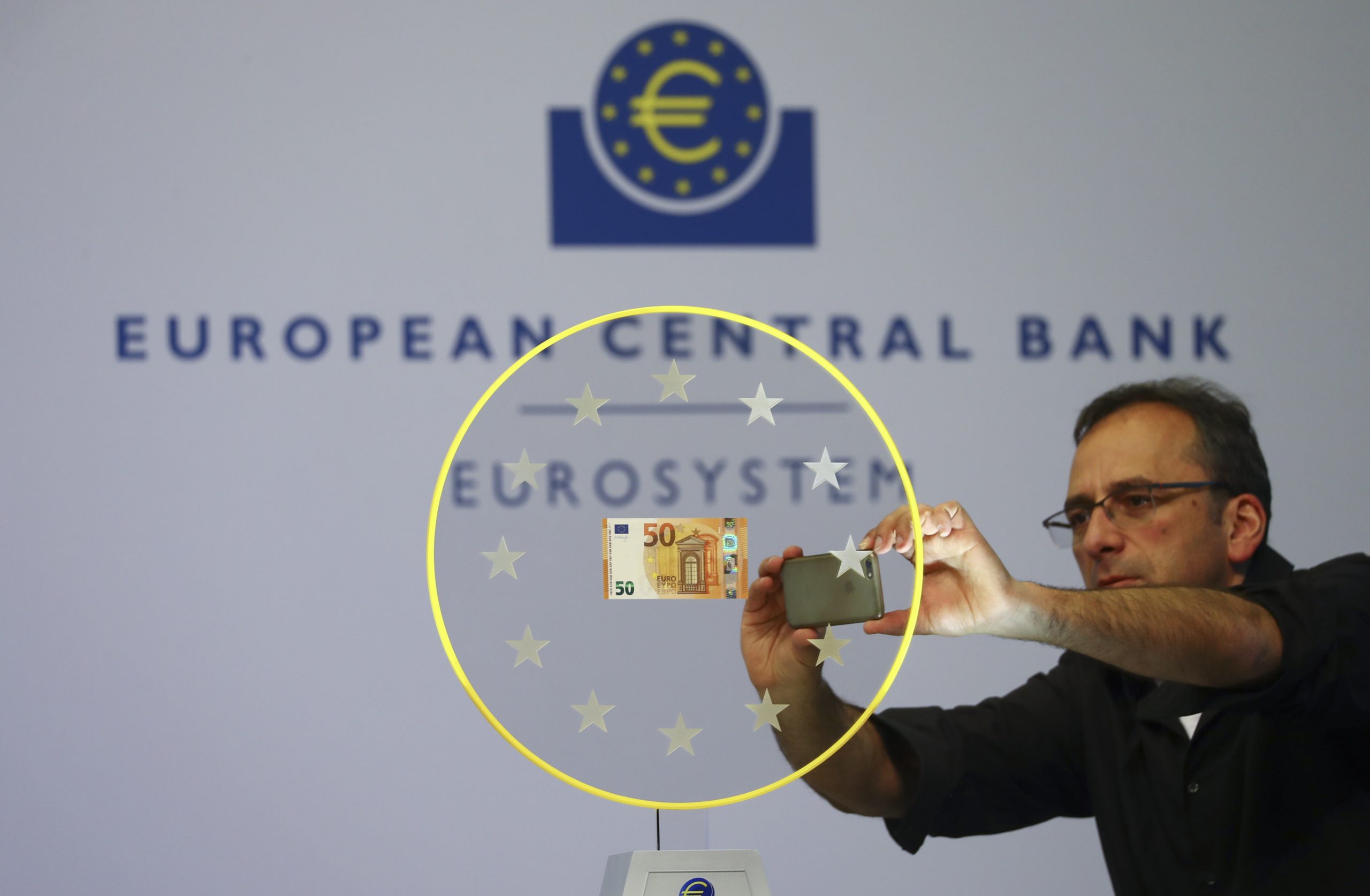
The European Central Bank (ECB) is moving forward with its plans to introduce a digital euro. In contrast, the US House of Representatives recently passed the Anti-CBDC Surveillance State Act. This legislation would outright prohibit the Federal Reserve from issuing a digital dollar without explicit authorization from Congress. Such developments underscore the transatlantic divide in attitudes toward innovation and regulation in the financial sector.
Innovation and Regulation: A Transatlantic Comparison
The contrasting approaches of the US and Europe reflect deep-seated cultural differences regarding innovation and regulatory oversight. In the United States, there exists a palpable concern that a central bank digital currency (CBDC) could lead to fabricating a surveillance state enabled by technology. American lawmakers generally prefer fostering private-sector financial innovation, showing support for privately issued cryptocurrencies and maintaining a less regulated environment.
Conversely, Europe is taking a more cautious stance, wary of what it perceives as the risks of a “Wild West” in private currency markets. EU policymakers are focused on establishing clear regulatory frameworks that allow public institutions to fill critical gaps in the financial landscape, thereby promoting stability and consumer protection.
Understanding Central Bank Digital Currencies
It is essential to clarify that central bank digital currencies should not be conflated with cryptocurrencies. Digital currencies like the digital euro or the proposed digital dollar are centralized digital tokens that hold value and are electronically linked to a specific owner. In stark contrast, cryptocurrencies such as stablecoins are issued privately and are intended to maintain a one-to-one peg with stable currencies like the dollar. Unlike CBDCs, stablecoins are not officially sanctioned by governments, and their ownership may lack transparency.
Advantages of Digital Currencies
Both CBDCs and stablecoins promise significant benefits for financial transactions, making them faster, more efficient, and less costly than traditional payment systems. Transactions using digital currencies can settle near-instantly, even across borders, eliminating the cumbersome lag typically associated with sending and receiving funds. Additionally, transaction fees are substantially lower, with credit card networks typically charging between 2.5% and 3.5% per transaction, compared to stablecoin fees, which range from a mere 0.1% to 0.15%.
A digital dollar, if designed for widespread use among the general public, could offer many of the advantages of stablecoins while providing the added assurance of being issued directly by the Federal Reserve. However, given the passage of the Anti-CBDC Act, the prospects for a digital dollar remain bleak. The Act not only restricts the issuance of a digital dollar but also prohibits any research into its feasibility.
Concerns Over Surveillance
Critics in Congress have raised concerns over potential surveillance capabilities linked to digital dollars. The fear is that a government-issued digital currency could enable the tracking of money flow and monitor citizens’ transactions. Skeptics worry about scenarios where the government could “switch off” someone’s money at will. They frequently reference situations such as the 2022 protests in Canada, where the government froze protesters’ bank accounts. Such examples fuel apprehensions about government overreach.
European Perspective: Privacy and Trust
In sharp contrast, Europeans appear largely unconcerned about the surveillance implications of a central bank digital currency. The EU has consistently showcased its commitment to privacy through comprehensive frameworks like the General Data Protection Regulation (GDPR), which safeguards personal data. According to recent surveys, trust in the EU is at its highest since 2007, and faith in the euro is at an all-time peak. Proponents of the digital euro assert that it will prioritize privacy by dissociating personal identity from payment data and limiting the information stored within banking systems.
Safety and Stability of Digital Euros
Supporters of the digital euro argue that it is inherently safer than privately issued stablecoins. They point to examples such as the 2022 collapse of TerraUSD, which failed to maintain its dollar peg as evidence of the risks associated with private cryptocurrencies. Another pressing issue is the rampant theft in the cryptocurrency space, with hackers reportedly stealing $2.17 billion from various services as of June 2025; a growing number of these incidents involve personal wallets.
The Future of Digital Currency
The European Central Bank presents the digital euro not merely as a replacement for cash but as a complementary option. The ECB emphasizes that the digital euro will be “free of charge” and designed to streamline everyday transactions.
Looking ahead, the future of a central bank digital currency in the US remains uncertain. While the Anti-CBDC Act has generated heated debates, many lawmakers regard its provisions as excessively broad. The bill narrowly passed in the House by a vote of 219 to 210, signaling that it may face challenges in the Senate.
A Middle Ground for US Digital Currency?
Rather than outright banning a digital dollar, the US may pursue a more balanced approach. A potential avenue could involve prohibiting a retail digital dollar that raises surveillance concerns while permitting a wholesale digital version. This approach would protect citizens’ financial privacy while allowing banks and other financial institutions to harness the benefits of modern digital technology.
Global Competitive Landscape
The stakes are high for the US financial sector’s competitiveness. A wholesale digital dollar could offer a cost-effective mechanism to accelerate cross-border payments, reduce reliance on intermediaries, and create a continuous global settlement window. With over 98% of central banks worldwide actively researching, piloting, or implementing digital currencies, the US risks lagging behind if it fails to adapt to this evolving landscape. As Europe and other nations move forward, the US may find itself at a significant disadvantage.
About the Authors:
Adam Wozniak is a master’s student in Russian and Eastern European Studies at Harvard University and holds a bachelor’s degree in Government from Georgetown University. Melanie Girod is a French Master’s student in Public Policy at the University of California, Berkeley, with a background in accounting and finance at tech startups in San Francisco.
Bandwidth is CEPA’s online journal dedicated to advancing transatlantic cooperation on tech policy, and all opinions expressed are solely those of the authors.
Read More From Bandwidth
CEPA’s online journal dedicated to advancing transatlantic cooperation on tech policy.
Explore More:
Latest Bitcoin News |