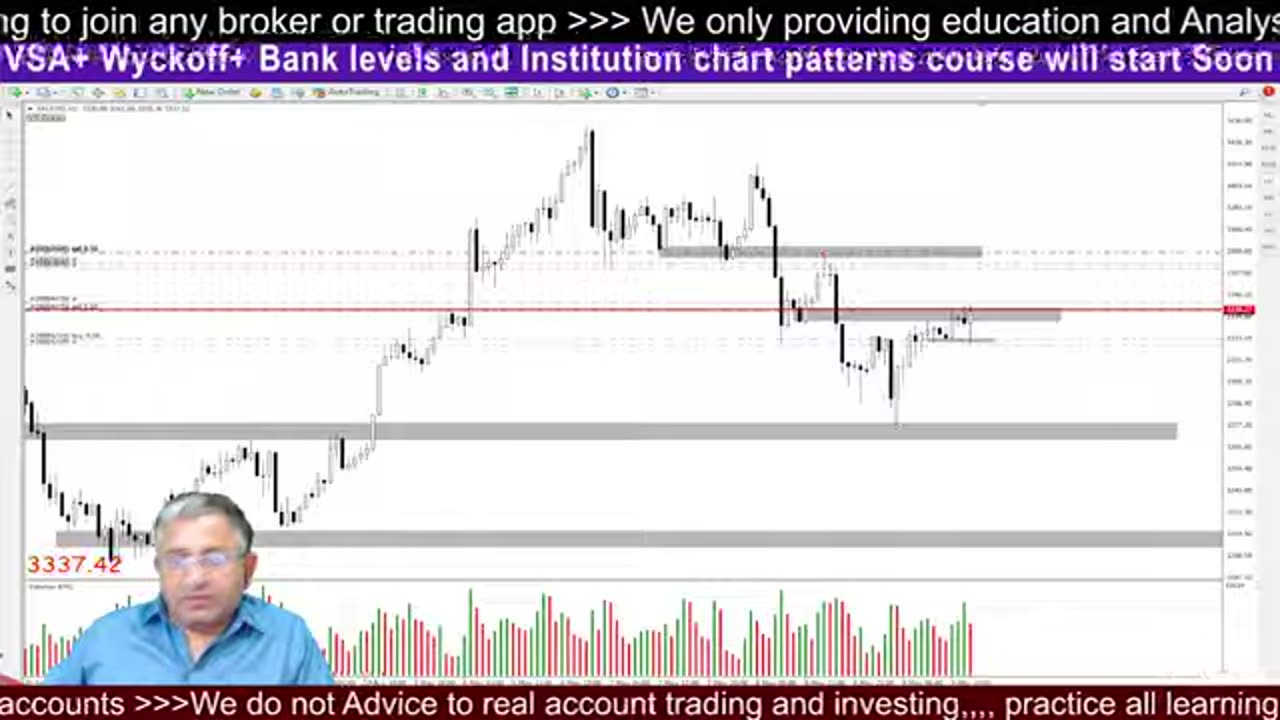
Understanding Key Indicators in Bitcoin Trading
Bitcoin (BTC) has firmly established itself as the flagship cryptocurrency, captivating the interest of investors, traders, and the financial community at large. With its volatile nature and potential for significant profit, understanding the key indicators in Bitcoin trading is essential for making informed investment decisions. This article delves into some of the crucial indicators that can influence BTC’s price movements and investor sentiment.
Price Trends and Patterns
One of the most immediate indicators in crypto trading is the price trend. Traders often analyze historical price movements to identify patterns that may predict future behavior. Key patterns to watch for include:
- Bullish Patterns: These indicate potential upward trends. Common formations, such as ascending triangles or head and shoulders, can signal an upcoming price increase.
- Bearish Patterns: Conversely, patterns like descending triangles or double tops suggest a downward price trend.
By monitoring these patterns, traders can make educated decisions regarding entry and exit points.
Moving Averages
Moving averages (MAs) are pivotal tools in technical analysis. They help to smooth out price data and identify trends over specific periods. The two most commonly used moving averages in Bitcoin trading are:
- Simple Moving Average (SMA): This reflects the average price over a set period. It helps identify overall trends but can lag during rapid market moves.
- Exponential Moving Average (EMA): This gives more weight to recent prices, making it more responsive to new information. Many traders use the crossover strategy, observing when a short-term EMA crosses a long-term SMA to signal potential buying or selling opportunities.
Relative Strength Index (RSI)
The Relative Strength Index (RSI) is a momentum oscillator that measures the speed and change of price movements. It ranges from 0 to 100 and is typically considered overbought when above 70 and oversold when below 30. Here’s how it can be utilized:
- Identifying Extremes: An RSI above 70 may indicate a forthcoming price decline, while an RSI below 30 can suggest that Bitcoin is undervalued and may rebound.
- Divergence Analysis: Traders often look for divergence between price movement and RSI, which can signify potential reversals. For instance, if BTC prices are increasing while the RSI is decreasing, a price correction may be imminent.
Trading Volume
Volume reflects the number of Bitcoin units traded over a specified period. It is a vital indicator as it confirms the strength of a price movement. Key aspects include:
- High Volume: A price increase accompanied by high trading volume generally indicates strong investor interest and can signal a sustainable trend.
- Low Volume: Conversely, price changes on low volume can suggest lack of conviction and may lead to susceptible reversals.
Market Sentiment and News
In addition to technical indicators, broader market sentiment and news can significantly influence Bitcoin prices. Factors to monitor include:
- Market News: Regulatory announcements, technological developments, and macroeconomic trends can affect investor confidence and influence market conditions.
- Social Media Sentiment: Platforms like Twitter and Reddit are often abuzz with discussions that can shape public perception and sentiment towards Bitcoin.
Conclusion
Mastering the key indicators in Bitcoin trading is crucial for successful investment strategies. By understanding price trends, moving averages, RSI, trading volume, and market sentiment, traders can better navigate the complexities of the cryptocurrency market. While no indicator can guarantee success, a comprehensive approach that integrates these tools can enhance decision-making and potentially lead to profitable outcomes in the dynamic world of Bitcoin trading.