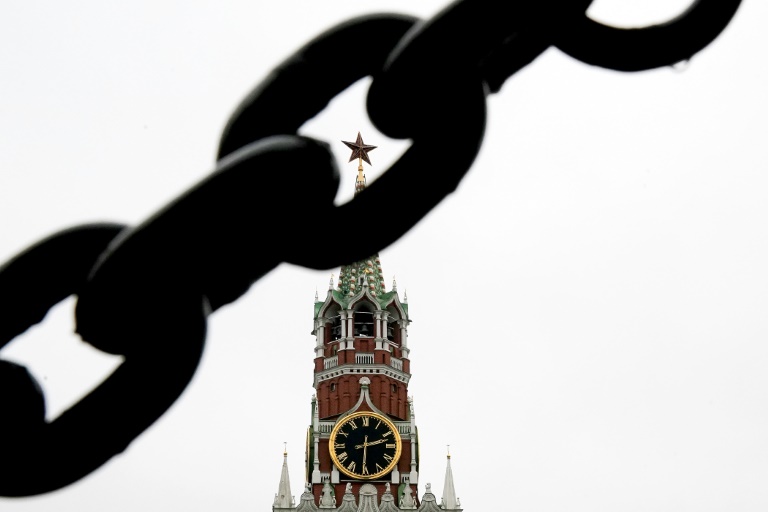
Russia Turns to Cryptocurrency Amidst Sanctions
In the wake of being expelled from the international banking system SWIFT and facing a wave of sanctions, Russia is exploring alternatives to maintain its financial flow. Experts suggest that the new cryptocurrency A7A5 is one such method to circumvent Western restrictions.
Background: Sanctions and Economic Pressure
Since Russia’s invasion of Ukraine in February 2022, multiple rounds of international sanctions have been imposed with the goal of increasing economic pressure on Moscow. These measures aim to halt the ongoing conflict and restrict Russia’s financial capacity.
The Launch of A7A5
The introduction of A7A5 in February 2023 presents a new avenue for both Russian businesses and individuals to navigate financial transactions with foreign partners without falling under the scrutiny of sanctions. According to a report by the UK-based Centre for Information Resilience (CIR), this cryptocurrency offers an alternative payment method that could have implications for Russia’s economic landscape.
What is A7A5?
A7A5 is classified as a stablecoin, which is a type of cryptocurrency backed by traditional assets. In this case, it is pegged to the Russian ruble. This unique characteristic makes it less susceptible to the same level of monitoring from Western authorities compared to dollar-based cryptocurrencies. This ruble-pegged stablecoin was launched by a pro-Russian Moldovan oligarch in collaboration with a state-owned Russian bank, marking it as “the first-ever ruble-pegged stablecoin,” according to George Voloshin from the anti-money laundering group ACAMS.
Significance of A7A5’s Creation
While A7A5 has not yet seen widespread usage, its introduction is a substantial step for Russia as it aims to decrease its reliance on major crypto companies that often cooperate with Western governments. The turmoil following Russia’s expulsion from SWIFT, coupled with asset freezes and investment bans, has pushed the country to explore blockchain solutions in an effort to evade financial sanctions imposed by the United States and its allies.
The Appeal of Stablecoins
Stablecoins like A7A5 are particularly appealing because their value is less volatile compared to other cryptocurrencies such as Bitcoin or Ethereum. Moreover, there have been reports of cryptocurrencies being utilized for donations to both the Ukrainian army and Russian militias, according to analytics firms like Elliptic.
Challenges with Existing Stablecoins
However, Russia has encountered challenges with existing stablecoins such as USDT, the most widely used stablecoin, which is tied to the US dollar and maintained by the U.S.-based company Tether. Tether has worked alongside U.S. and European authorities in monitoring transactions. Earlier this year, Tether froze $28 million worth of USDT that was held in wallets on Garantex, Russia’s largest crypto exchange, after Garantex was shut down in a global crackdown on illicit transactions.
A Wake-Up Call for Russia
This incident served as a “real wake-up call” for Russian stakeholders, as Elise Thomas, senior investigator at CIR, pointed out. The freezing of assets pushed Russia to recognize the necessity for a stablecoin it could control, ultimately leading to the development of A7A5.
How A7A5 Functions
A7A5 is primarily backed by deposits in Promsvyazbank, a Russian financial institution under sanctions due to its affiliations with the government and military. The cryptocurrency is traded on Grinex, a crypto exchange based in Kyrgyzstan, known for being more accommodating to Russian interests and less vulnerable to Western pressures. This strategic choice helps to maintain operational independence amidst global scrutiny.
Legal Environment and Market Growth
Additionally, A7A5 is registered in Kyrgyzstan rather than Russia, leveraging the country’s crypto-friendly legal framework. This move reduces exposure to sanctions and economic pressures, as highlighted by project director Leonid Shumakov during an interview. Remarkably, less than six months after its launch, approximately $150 million is already held in A7A5.
Regulatory and Political Implications
While these transactions involving A7A5 are not inherently illegal, they pose risks if utilized by sanctioned individuals or entities aiming to re-establish connections with the global financial system. George Voloshin warned that the implications of such activities could become problematic.
The Figure Behind A7A5
The individual behind the A7 group, responsible for developing A7A5, is Ilan Shor, a Moldovan businessman and politician currently residing in Russia. Investigations have uncovered connections between A7A5 and Shor’s political activities in Moldova, raising concerns about the cryptocurrency’s potential use as a tool for political influence.
International Scrutiny
Shor and his company have already faced sanctions from the UK and more recently from the European Union, which accused them of attempting to interfere in Moldova’s upcoming presidential election and a referendum on EU membership—maintaining close ties with Moscow in the process.
As the geopolitical landscape continues to evolve, the implications of A7A5 and similar cryptocurrencies will require careful monitoring. The intersection of technology, finance, and politics presents a complex future for both Russia and the global community.
Explore More:
Latest Bitcoin News |