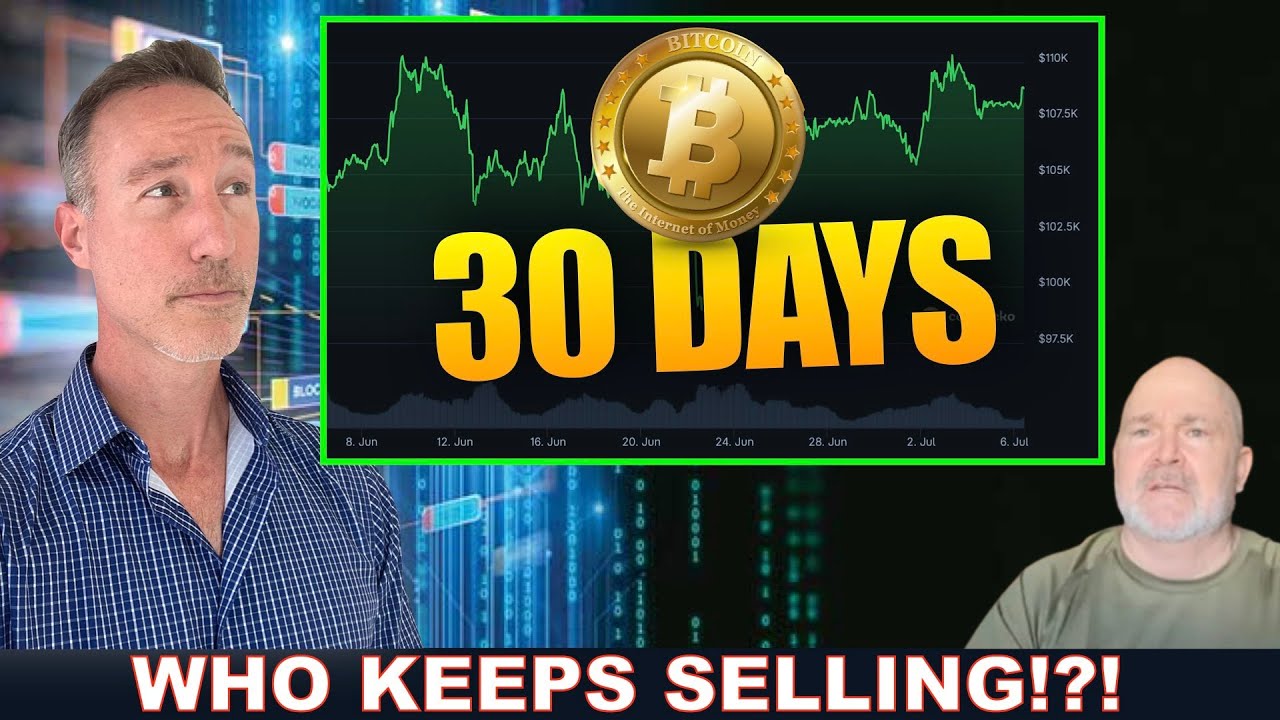
Bitcoin Market Analysis: Who’s Selling and What Lies Ahead?
Bitcoin, the flagship cryptocurrency, has seen a relatively flat market trend in recent times, leaving many investors and enthusiasts wondering about the current state and future potential of this digital asset. Questions abound: Who is selling during this stagnation, and is there a possibility of a price surge? In this blog post, we will dive deep into these questions, analyzing current market dynamics, seller behavior, and potential future scenarios for Bitcoin.
Current State of Bitcoin
As of the latest updates, Bitcoin has maintained a steady, yet seemingly unexciting price range. This flat trend can be attributed to various factors, including market sentiments, macroeconomic influences, and changes in regulatory landscapes. The crypto market often experiences cycles of highs and lows, making it crucial for investors to understand the underlying forces at play.
Factors Influencing Bitcoin’s Flat Trend
-
Market Sentiment: The mood of the market can significantly influence Bitcoin’s price. In periods of uncertainty, potential investors often sit on the sidelines, leading to decreased trading volume and stagnant prices. When fear or skepticism prevails, even optimistic news may not be sufficient to catalyze a price increase.
-
Regulatory Environment: Regulatory news can either encourage investment or deter it. In various parts of the world, governments are grappling with how to regulate cryptocurrencies. Stricter regulations can instill fear among potential investors, contributing to a flat market condition.
-
Macro Factors: Global economic conditions, such as inflation rates and interest rates, can impact cryptocurrency investments. When traditional markets are volatile, investors might shy away from high-risk assets like Bitcoin, opting for safer investments instead.
Who is Selling Bitcoin?
When a digital asset like Bitcoin experiences stagnation, it’s essential to analyze who is behind the selling activity. Generally, there are several categories of sellers in the market:
1. Retail Investors
Individual retail investors often react to market sentiments. Many may sell their holdings due to fear of further declines, seeking to minimize potential losses. Retail investors are typically more emotional and may not hold onto their investments as long as institutional investors.
2. Institutional Investors
While institutional investors tend to be less reactive to short-term fluctuations, they may be involved in sell-offs for various strategic reasons, including portfolio rebalancing or profit-taking after substantial gains. Additionally, some institutions may sell Bitcoin to cover losses in other areas, especially if they hold a diversified portfolio.
3. Miners
Bitcoin miners, who validate transactions and maintain the blockchain, also play a role in the selling landscape. If the cost of mining exceeds Bitcoin’s market price, miners may choose to sell off portions of their holdings to cover operational costs. The profitability of mining is directly linked to Bitcoin’s price, affecting their selling behavior.
4. Whales
Whales, or individuals/entities holding large volumes of Bitcoin, can significantly influence market trends. Their selling activity can trigger price movements, leading to heightened volatility. If a whale decides to liquidate a portion of their assets, it can create a ripple effect, leading to panic selling among smaller investors.
Will We Ever Get a Pump?
The million-dollar question is whether Bitcoin will experience a significant price increase soon. While it’s impossible to predict the future with certainty, we can explore a few potential catalysts for a pump in Bitcoin’s price.
1. Increased Institutional Adoption
If more institutional investors enter the Bitcoin market, this could drive demand and push prices upward. Major financial institutions transitioning to include Bitcoin in their portfolios can signal broader acceptance of cryptocurrency as a legitimate asset class.
2. Positive Regulatory Developments
Clearer and more favorable regulations could also lead to increased investor confidence. If governments establish frameworks that promote Bitcoin usage and protect investors, this could stimulate demand and spark a price increase.
3. Market Cycles
Historically, Bitcoin follows cyclical patterns. After periods of stagnation, it often rebounds sharply. Investors and traders keep a close eye on historical trends, betting on the potential for a future upswing as part of this cyclical behavior.
4. Macroeconomic Factors
Economic conditions such as inflation rates, interest rates, and overall market sentiment toward risk can all impact Bitcoin’s price. If traditional investment avenues appear less attractive, investors may flock towards Bitcoin, leading to a potential price surge.
Conclusion
In summary, while Bitcoin’s current flat market may seem dull, various factors and player behaviors indicate a complex landscape. Understanding who is selling—retail investors, institutional investors, miners, and whales—can offer insight into market dynamics. While predicting price movements is inherently risky, certain developments, from increased institutional adoption to favorable regulatory news, could pave the way for a future surge in Bitcoin’s price.
Stay tuned for continuous updates and analyses as we navigate the ever-evolving world of cryptocurrency. For more insights and discussions, follow Jerry V. Hall on X.
Originally published on YouTube. Watch the full video here.