El Salvador Revamps Bitcoin Storage for Enhanced Security
El Salvador has made significant changes to the way it stores the nation’s Bitcoin, indicating that these adjustments both strengthen current security measures and prepare for potential technological challenges in the future.
New Storage Model: Diversifying Wallets
In an announcement on Friday, the Bitcoin Office revealed that the entire Bitcoin reserve of the country has been moved from a single wallet to a series of multiple new wallets. Each wallet will now contain a maximum of 500 BTC. This strategic limit is designed to minimize the impact in the event of a compromise, thus improving overall security.
The Quantum Computing Threat
Officials have indicated that this updated configuration adheres to established industry practices while also anticipating advancements in quantum computing. Concerns have been raised about the potential power of quantum computers to break the cryptographic math that secures Bitcoin as well as conventional systems like banking and online communications.
The risks associated with quantum computing become particularly pressing when Bitcoin is transacted. To transfer Bitcoin, the digital signature protecting those funds must be exposed on the blockchain. While this process is relatively secure today, future quantum machines could potentially exploit this exposed information to calculate the private key and steal Bitcoin before the transaction is confirmed.
Enhanced Security through Diversification
By redistributing Bitcoin across multiple wallets, El Salvador reduces the risk of having too many exposed keys at one time. Most of its Bitcoin holdings remain secured by information that cannot currently be attacked, and the policy of limiting the size of each wallet ensures that even in the event of a breach, the entire reserve would not be at risk.
A Shift in Transparency Practices
The government acknowledged that the previous method of storing funds in a single wallet for transparency purposes had created unnecessary exposure. That single address was frequently used, making its keys visible on the blockchain almost continuously. With the new approach, a public dashboard allows for transparent tracking of the reserve across various wallets without the need to continually reuse a single address.
A Metaphor for Modern Security
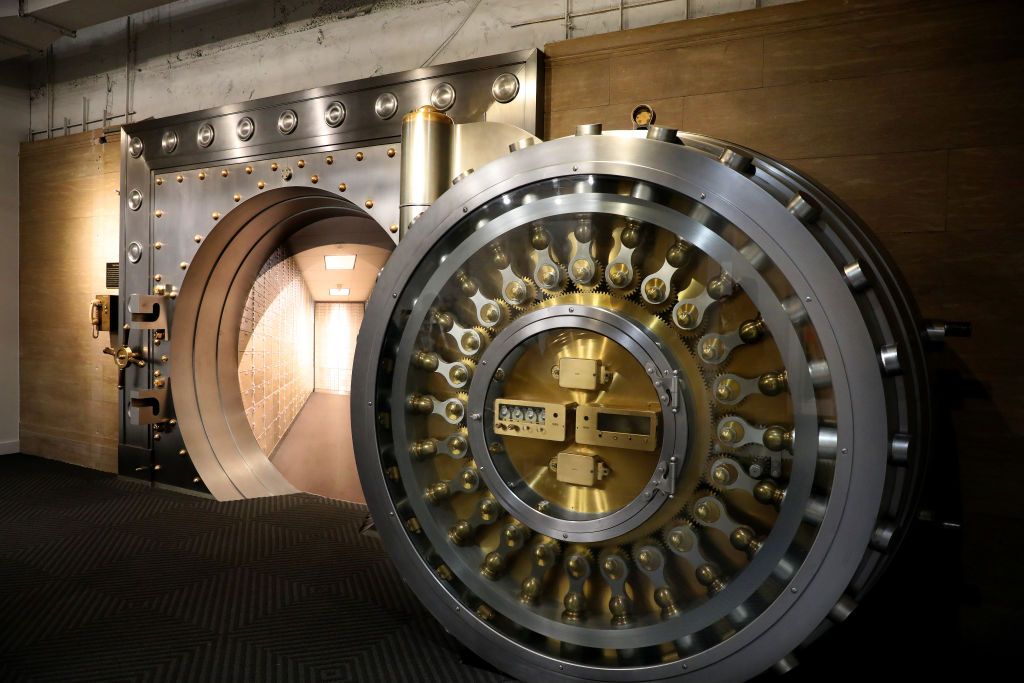
In simpler terms, the transition can be likened to moving money from one large vault into several smaller safes. Each safe’s lock remains hidden until it’s opened, and no single safe contains too much cash, enhancing overall safety.
Best Practices in Bitcoin Management
This new model also aligns with fundamental best practices in Bitcoin management. Experienced users often caution against reusing the same wallet repeatedly, as this practice diminishes privacy and security. Additionally, breaking large balances into smaller chunks helps limit potential damages if something were to go wrong.
Industry Praise for the Initiative
Adam Back, an early Bitcoin pioneer and CEO of Blockstream, praised the initiative, pointing out that splitting funds into several smaller pieces—known in Bitcoin terminology as UTXOs (Unspent Transaction Outputs)—is generally a sound practice. Back, who is noted for creating the proof-of-work system Hashcash that inspired Bitcoin, did not directly address the quantum computing risks but emphasized that El Salvador’s new strategy exemplifies long-recognized best practices in the Bitcoin community.
The Future of Quantum Threats
While most experts agree that quantum computers capable of posing threats to Bitcoin are still a decade or more away, it’s worth noting that the Bitcoin network could implement new security measures if necessary. However, El Salvador is proactively addressing these concerns today.
A Model for Other Nations
By combining transparency with a more resilient storage method, El Salvador has effectively positioned itself as a case study on how sovereign Bitcoin reserves might be managed in the future. This innovative approach sets forth a potential blueprint that could be emulated by other nations considering the role of Bitcoin in their economies.
In conclusion, El Salvador’s overhaul of its Bitcoin storage strategy is not only a significant step towards securing its digital assets but also serves as an example of how governments can embrace emerging technologies while preparing for potential risks. As other nations observe this model, it may influence broader considerations regarding the management of cryptocurrency reserves in a rapidly evolving technological landscape.
Explore More:
Latest Bitcoin News |