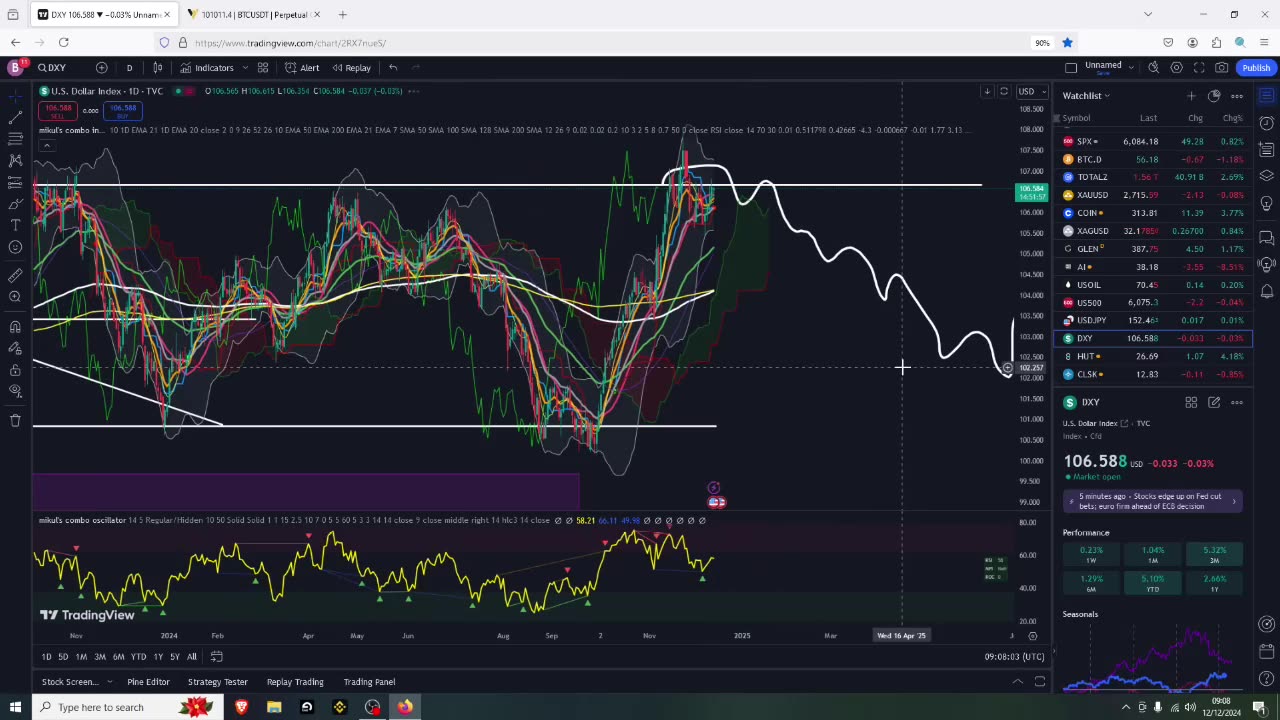
Understanding Crypto Continuation Patterns in Trading
In the ever-evolving landscape of cryptocurrency trading, traders constantly seek strategies that help them identify potential market movements. One important concept that has gained traction in technical analysis is the notion of “crypto continuation.” This article delves into what crypto continuation patterns are, their significance, and how traders can effectively leverage them.
What Are Crypto Continuation Patterns?
Crypto continuation patterns are formations on price charts that indicate a strong likelihood of an ongoing trend continuing rather than reversing. In the world of cryptocurrencies, where volatility is a common characteristic, identifying these patterns can be essential for traders looking to maximize their profits.
These patterns typically emerge after a price movement in either direction. When formations signal continuation, they suggest that a prevailing trend is poised to continue its trajectory, offering traders an opportunity to enter or add to their positions.
Common Types of Continuation Patterns
-
Flags and Pennants:
Flags and pennants are among the most recognized continuation patterns. Flags are rectangular-shaped consolidation periods that usually slant against the prevailing trend. Pennants are small symmetrical triangles that form after a strong price movement. Both patterns often appear after price spikes and indicate a potential continuation of the original trend. -
Triangles:
Triangle patterns, including ascending, descending, and symmetrical triangles, indicate consolidation and can lead to a continuation of the trend. An ascending triangle pattern typically forms in bullish markets, while a descending triangle may indicate a bearish sentiment. Symmetrical triangles can signal a potential breakout, regardless of the direction. -
Cup and Handle:
The cup and handle pattern consists of a rounded bottom followed by a consolidation period, resembling a cup and its handle. This formation often indicates bullish sentiment, suggesting a strong continuation of the upward trend following the breakout from the handle.
Identifying Continuation Patterns
To effectively identify continuation patterns, traders often rely on price charts, volume analysis, and various technical indicators. Recognizing these patterns involves looking for specific criteria, including:
-
Clear Trend Direction: Continuation patterns should form after a significant price movement in one direction, whether bullish or bearish.
-
Volume Confirmation: Increased trading volume during breakout periods can confirm a continuation pattern and validate the trader’s decision to enter a position.
-
Timeframe Consideration: Continuation patterns may appear on various timeframes, from minutes to weeks. Traders can choose an appropriate timeframe based on their trading style and objectives.
Strategies for Trading Continuation Patterns
-
Entry Points: Many traders look to enter a position upon the breakout of the continuation pattern. A close above resistance for bullish patterns or below support for bearish ones can signal a viable entry point.
-
Stop Loss Placement: To manage risk, implementing a stop loss just below the pattern for a bullish setup or above for a bearish setup is recommended. This protects traders if the market moves contrary to their expectations.
-
Target Setting: Traders often set profit targets based on the height of the pattern. For instance, calculating the distance from the initial breakout point to the pattern’s baseline can help establish reasonable profit objectives.
Conclusion
Crypto continuation patterns are invaluable tools in the arsenal of traders looking to navigate the unpredictable world of cryptocurrency markets. By understanding and identifying these patterns, traders can position themselves to capitalize on emerging trends and enhance their trading strategies. However, as with all trading strategies, it is essential to exercise caution, conduct thorough analysis, and implement risk management techniques to optimize trading outcomes.