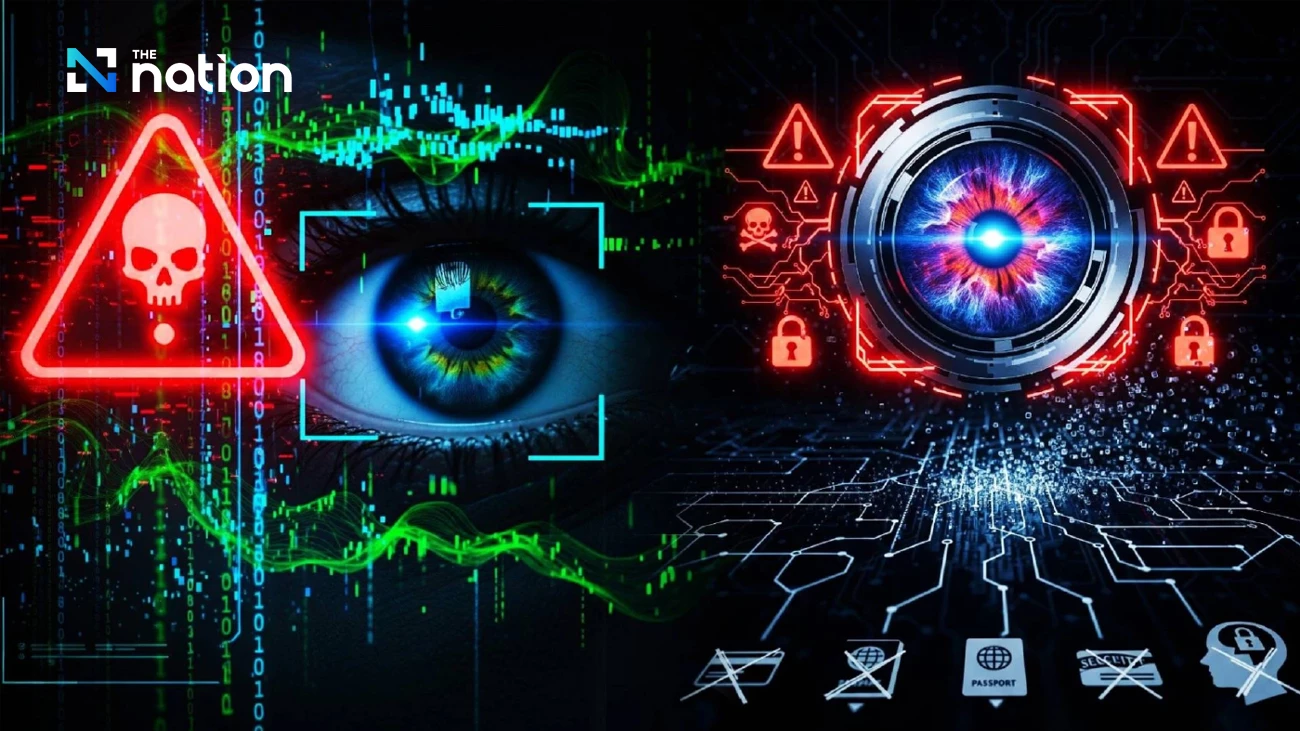
The Growing Role of Biometric Technology: Opportunities and Risks
In today’s digital age, the integration of technology and innovation has become indispensable in various aspects of life, including business operations, effective communication, education, and national security. The rapid adoption of biometric systems—such as fingerprint scanning, facial recognition, and iris scanning—has revolutionized the way individuals authenticate their identities. However, this advancement is not without its accompanying risks.
Understanding Biometric Data
According to Deputy Government Spokesman Anukool Pruksanusak, biometric data is among the most sensitive forms of personal information currently in circulation. Unlike traditional passwords, which can be reset or changed if compromised, biometric identifiers are unique and unchangeable. “Iris codes are uniquely specific and difficult to alter. They can identify an individual with absolute certainty,” Anukool emphasized in a recent statement. This specificity underscores both the efficacy and the vulnerabilities associated with biometric data.
The Risks Involved with Biometric Systems
While biometric systems offer a high level of security, they come with significant risks that merit serious consideration. Anukool outlined several key concerns:
- Data Leakage: The theft of iris codes or other biometric data represents a serious threat. If hackers gain access to such sensitive information, they may exploit it for malicious purposes in the future. The willingness to implement average security measures might leave individuals vulnerable.
- Identity Theft: The potential for identity theft escalates when iris data becomes available to criminals. Stolen biometric information could easily be used to impersonate individuals, particularly during critical financial transactions, leading to severe consequences for victims.
- Deepfake Risks: Criminals may also employ stolen biometric data to create deepfake technologies for nefarious activities. These sophisticated forms of cybercrime can blur the lines of reality, making it increasingly difficult to ascertain what is genuine.
International Regulations and Concerns
The growing awareness of these risks has led various countries to take precautionary measures. Nations such as Spain, Brazil, India, and Germany have implemented laws that prohibit the collection of iris scans for data storage. This reflects a broader global concern regarding the ethical and security implications of biometric data usage.
As individuals navigate the complexities of biometric verification, the scale of potential harm is crucial to consider. Anukool cautioned, “Exchanging biometric data for small financial rewards may not be worth the irreversible damage if the information is misused.” The ramifications of compromised biometric data can extend far beyond inconvenience; they can fundamentally alter an individual’s financial security and personal safety.
Safeguarding Personal Data
Given the complexity surrounding biometric systems, it is essential for users to understand how to safeguard their data. Implementing strong security protocols, such as multi-factor authentication and regular monitoring of financial accounts, can provide an additional layer of protection. Moreover, staying informed about data breaches and the latest security trends is crucial in mitigating risks associated with biometric data.
The Future of Biometric Technology
As technology continues to evolve, so do the methods employed in securing biometric data. Future innovations may include advanced encryption techniques or decentralized data storage solutions designed to protect biometric information better. While there is no foolproof way to eliminate risks entirely, ongoing research and investment in security measures can help protect sensitive information.
Conclusion
In conclusion, while biometric systems offer significant advantages in terms of security and efficiency, they also present challenges that cannot be ignored. As society becomes increasingly reliant on this technology, it is vital to be aware of the corresponding risks and take proactive measures to safeguard one’s biometric information. Balancing convenience with security will be crucial as we navigate the future landscape of biometric technology.
Explore More:
Latest Bitcoin News |