Growing Concerns Over Bitcoin Kiosks in St. Paul
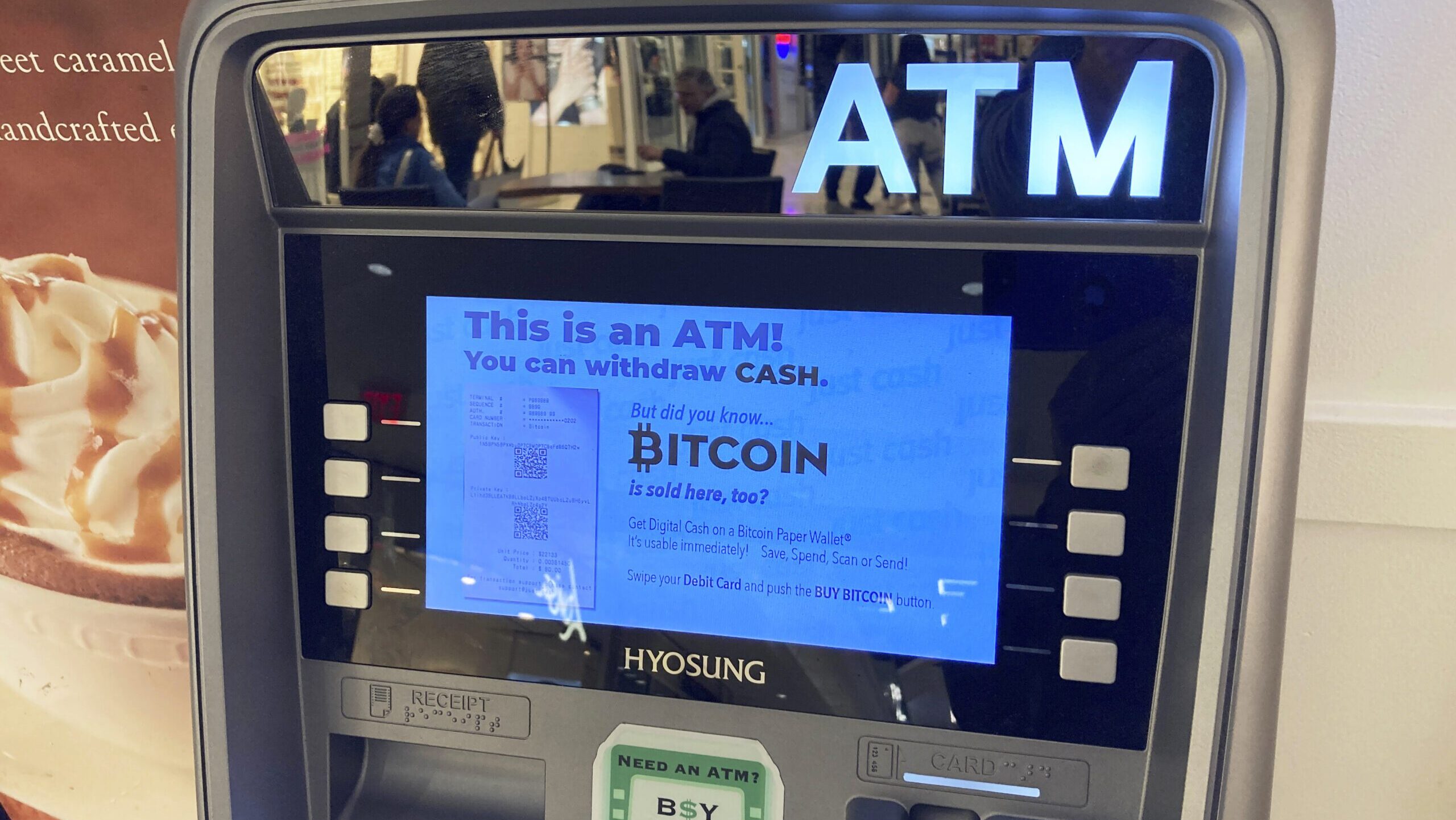
In recent developments, St. Paul City Council President Rebecca Noecker has raised alarms over a troubling trend involving Bitcoin kiosks in the city. According to her statements to 5 EYEWITNESS NEWS, individuals are increasingly being misled and scammed out of substantial amounts of money by crafty con artists. This issue has prompted city officials to consider an ordinance that could lead to a ban on Bitcoin machines within St. Paul.
The Scam Unveiled
Noecker highlighted a specific modus operandi employed by scammers, which includes duping victims into believing they are facing severe legal issues. In some cases, individuals are led to think they need to pay off fines or help a family member escape from legal troubles. The scammers then guide these unsuspecting victims to Bitcoin kiosks, where they are instructed to open digital accounts and deposit large sums of money—often amounting to thousands of dollars.
What victims may not realize is that the funds they are depositing are not being used to assist their loved ones, but rather being funneled into accounts controlled by the scammers. As Noecker explained, “They’re scammed and told they need to come up with hundreds of thousands of dollars just to take care of their loved one in jail. I mean, this is something that is affecting some of the most vulnerable folks in our society.”
Zero Public Benefit
Noecker expressed strong concerns regarding the lack of public benefit associated with Bitcoin kiosks. “There is zero public benefit to having these kiosks,” she stated. Her remarks underscore a growing sentiment that while cryptocurrency can offer certain benefits, its current implementation through these kiosks poses severe risks for consumers, particularly those who are already vulnerable.
The Scope of the Problem
According to the Minnesota Department of Commerce, there are approximately 90 registered cryptocurrency machines located in St. Paul, along with more than 300 throughout the state. This number highlights not only the growing popularity of cryptocurrency but also the urgent need for regulatory action to protect consumers from scams.
Legislative Action on the Horizon
Looking ahead, Noecker is hopeful about introducing the ordinance that would ban Bitcoin machines in the city. She has expressed optimism that the council can pass this legislation before the end of the year. The move is part of a broader commitment to ensure public safety and provide a more secure environment for residents, especially those who may be more easily exploited.
National Trends and Local Implications
The issues that are surfacing in St. Paul are not isolated; they align with national trends where cryptocurrency scams have become more prevalent. Various cities and states across the U.S. have been grappling with similar concerns, examining the need for stricter regulations on cryptocurrency machines to mitigate fraud risks. As consumers grow more curious about digital currencies, the potential for abuse in this unregulated market also increases, making it crucial for local governments to act decisively.
Moreover, scams involving Bitcoin and other cryptocurrencies are evolving rapidly. Scammers are becoming more sophisticated, creating a challenging landscape for those looking to engage responsibly with digital currencies. In many cases, traditional consumer protection mechanisms may not be sufficient to shield individuals from these types of frauds.
Staying Informed and Cautious
As St. Paul considers measures to ban Bitcoin kiosks, it serves as an important reminder for consumers to exercise caution when engaging in cryptocurrency transactions. Verification of information and a greater understanding of how these kiosks operate can significantly aid in preventing similar scams. Individuals should be wary of unsolicited communications that ask for money, especially when the method of payment involves cryptocurrency.
With the potential legislative changes on the horizon, St. Paul is poised to take a significant step toward enhancing consumer protections in the realm of cryptocurrency. Engaging in open discussions about the benefits and risks of such technologies is vital for ensuring that residents are making informed decisions.
Conclusion
In summary, the current situation regarding Bitcoin kiosks in St. Paul underscores a larger issue concerning the regulation of cryptocurrency and the need for consumer protection. The proposed ordinance banning these machines could set a valuable precedent for other cities facing similar challenges. As the discourse surrounding cryptocurrency continues to evolve, it is essential that local governments prioritize public safety and work towards creating a regulatory environment that minimizes risks while allowing for innovation.
Explore More:
Latest Bitcoin News |