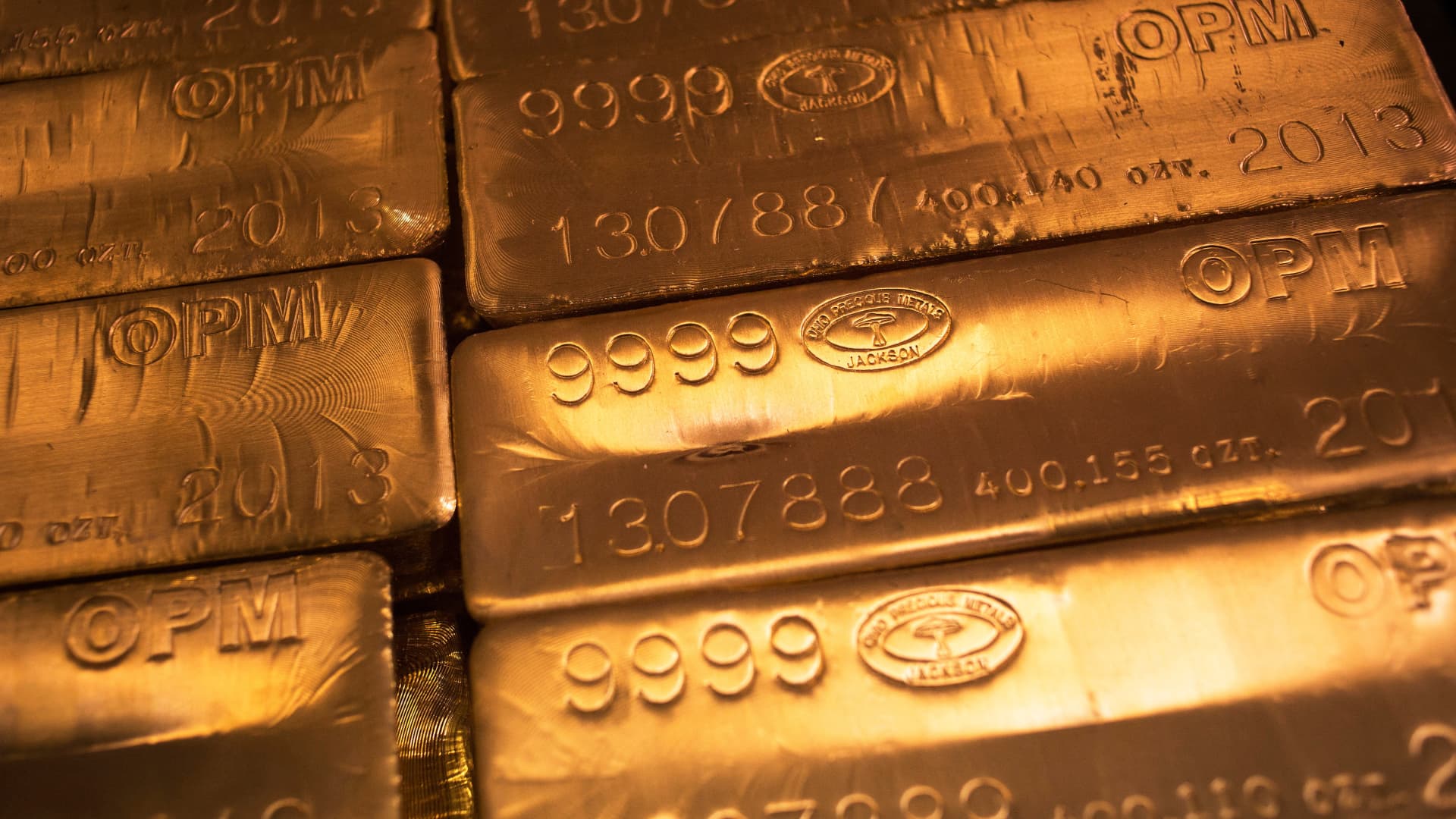
UBS Strategists Boost Gold Price Forecast: Insights and Implications
As gold continues to capture investor interest amidst global economic uncertainties, UBS strategists have elevated their forecast for spot gold prices through 2026. This shift reflects ongoing market dynamics that have fueled a series of record highs in gold prices throughout the current year.
Revised Price Targets
UBS has maintained its end-of-2025 target for gold at an impressive $3,500 per ounce, up from the current spot rate of approximately $3,340. They have also adjusted their projections for 2026, raising their benchmark targets to:
- $3,600 per ounce by the end of March 2026
- $3,700 per ounce by the end of June 2026
- $3,700 per ounce by the end of September 2026
This upgraded forecast comes on the heels of a tumultuous few months for gold, as market momentum has fluctuated. The initial rally in the first half of the year faced challenges, particularly when a flight to safe-haven assets was tempered due to changing perceptions of risks associated with U.S. tariffs.
Factors Influencing Gold Prices
Investors have been keenly observing potential developments regarding U.S. tariffs on gold bars. Although this concern has been dismissed as “misinformation” by the White House, it nonetheless highlights the precarious nature of the gold market. Furthermore, ongoing geopolitical tensions, particularly in relation to the Russia-Ukraine war, could impact global demand for safe-haven assets like gold.
Despite these concerns, UBS strategists believe that gold has enough momentum to sustain its upward trajectory for the foreseeable future. In a recent note, they highlighted several key factors that could support gold prices:
- Sticky U.S. Inflation: Persistent inflation is likely to continue affecting economic conditions in the U.S. The consequences of tariffs and immigration policies are expected to play a significant role in shaping the economic landscape.
- Below-Trend Economic Growth: The current economic growth rate is not meeting expectations, creating an environment conducive to gold price stability.
- Federal Reserve Policy Easing: With the likelihood of the Federal Reserve resuming more accommodative monetary policies, there is potential for increased demand for gold.
- Weaker U.S. Dollar: A declining dollar can bolster gold prices, as gold is often viewed as a hedge against currency devaluation.
The Case for Gold: The Low-Interest Factor
Gold’s unique characteristic as a non-interest-bearing asset makes it particularly appealing in a low-interest-rate environment. As real yields decline, the opportunity cost of holding gold decreases, making it a more attractive investment option. The UBS team noted, “In particular, due to the metal’s non-interest-bearing nature, gold prices should rise as the first two factors push down real yields in the US.”
U.S. Fiscal Position and Fed Independence
Investor sentiment is also likely influenced by increasing concerns regarding the U.S. fiscal position. The growing federal deficit raises questions about the long-term sustainability of U.S. economic policies and may further drive gold demand. Additionally, as we approach the expiration of Fed Chair Jerome Powell’s term next May, uncertainties surrounding Fed independence are expected to add another layer of complexity to the market.
Central Bank Demand Remains Strong
It’s worth noting that UBS had previously raised its gold forecast in April, attributing this revision to sustained demand from central banks. The latest insights suggest that while this trend is likely to persist, it may be marginally below last year’s near-record purchases. Central banks globally have increasingly turned to gold as a means to hedge against inflation and to diversify their portfolios beyond policy-sensitive assets.
Major purchasing nations, including China, India, and Turkey, have played a crucial role in this surge in demand. Their acquisitions have contributed to gold surpassing the euro as the world’s second-largest reserve asset, trailing only behind the U.S. dollar. This shift underlines gold’s pivotal role in the international financial landscape.
Conclusion: A Positive Outlook for Gold
In conclusion, UBS’s bullish forecast reflects a confluence of economic factors that remain supportive of gold prices. As inflation trends persist, U.S. monetary policies shift, and international tensions linger, gold may continue to serve as a preferred safe-haven asset. Investors and market watchers alike should carefully consider these evolving dynamics as they navigate the complexities of the gold market.
Explore More:
Latest Bitcoin News |