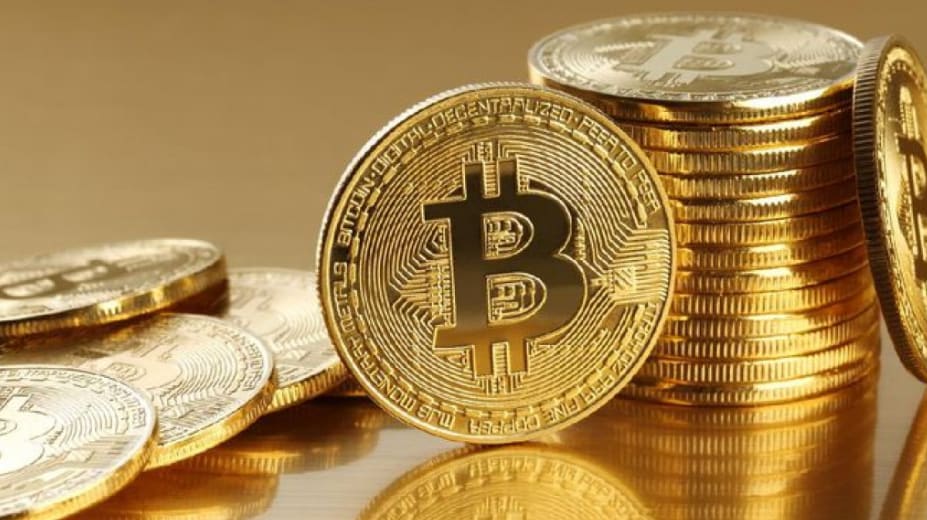
Your Beginner’s Guide to Crypto Trading
If you’re thinking about diving into the world of cryptocurrency trading but feel overwhelmed, you’re not alone! I’m not a financial expert or some tech-savvy wizard; I’m just a regular individual curious about crypto, who opened an account, clicked a few buttons, and—thankfully—didn’t crash the internet. Let me share my journey with you, from setting up a trading account to placing my first order, along with a few tips I’ve picked up along the way.
We’ll also explore the current status of Bitcoin price and XRP, which has seen some volatility lately. So, let’s get started!
Step 1: Funding Your Account—Simplified
After signing up for an exchange like Binance (I chose it because it looked user-friendly, admittedly without doing much research), the first step was funding my account. While this may seem straightforward, there are multiple methods to deposit funds.
Most exchanges let you deposit traditional currency (also known as fiat) using methods such as bank transfers, credit/debit cards, or even various payment services, depending on your location. I opted for a debit card for instant results. Yes, it came with a slightly higher fee, but I valued the immediacy.
A crucial tip: if you already have cryptocurrency that you want to transfer to the exchange, double-check that you’re sending it to the correct address. For example, Bitcoin should go to a BTC address, Ethereum to an ETH address, and XRP to its corresponding address. If you mix them up, your assets could be lost permanently. I made sure to triple-check my addresses—trust me, it’s worth the effort!
Step 2: Choosing the Right Trading Pair
Once my account was funded, the next step was selecting a trading pair. Initially, this concerned me. You will encounter many options like:
- BTC/USDT
- ETH/BTC
- XRP/USDT
These trading pairs represent the exchange rate between two cryptocurrencies or between a cryptocurrency and a stablecoin. As a beginner, I found it less intimidating to stick with stablecoin pairs like XRP/USDT because they provide more stability.
Step 3: Navigating the Order Book
Next up was the order book. This can be a bit overwhelming at first but it’s essential for understanding market dynamics. The order book displays a list of buyers and sellers, showing different prices and quantities.
Buy orders (also known as bids) indicate that someone is willing to purchase a coin at a specified price, e.g., “I’ll buy XRP if it drops to $0.58.” Conversely, sell orders (asks) specify the price at which someone is willing to sell, e.g., “I’ll sell XRP if someone pays $0.62.”
A pro tip for beginners: pay attention to the spread, which is the difference between the highest bid and the lowest ask. A smaller spread typically indicates higher trading volume, which is generally a positive sign that the asset is actively traded.
Step 4: Selecting Your Trade Type
Now that you’ve come this far, it’s time to decide what kind of trade you want to make. Here are the primary types I’ve encountered:
Market Order: “Just Give Me the Coin!”
This was my go-to for my first trade. I didn’t want any delays, so I clicked “buy” and received the coin at the current market price. While I may have received a slightly less favorable price, the speed was exhilarating!
Limit Order: “I’ll Wait for a Better Price”
As I became more experienced, I started using limit orders, specifying something like, “Only buy XRP if it drops to $0.55.” This strategy allows greater control, helping you avoid overpaying, especially during rapid market fluctuations.
Stop Orders: “Safeguarding My Investment”
After a bit of time in the market, I realized the importance of stop-loss orders. Essentially, this is a safety net that automatically sells your asset if it falls below a certain price—in my case, “If XRP drops below $0.50, sell it.” This feature has saved me on a few occasions.
Step 5: Experiencing My First Trade
The moment finally arrived: I executed my first trade—about $50 worth of XRP—simply to dip my toes in. Was it the ideal moment to buy? Probably not. Did I comprehend every detail? Definitely not. But engaging with the market taught me so much!
Observing price movements, understanding fees, and recognizing how easy it is to panic when prices drop 5% in mere minutes were all crucial lessons. Importantly, I started small—never invest your rent money into your first trade. Crypto can be highly volatile, and it takes time to acclimatize.
Understanding XRP: A Quick Dive
Let’s take a moment to discuss XRP. Its price fluctuates differently compared to Bitcoin and Ethereum, and it has unique advantages. For instance, XRP transactions are typically faster and less expensive, which is one reason why financial institutions are keen to adopt Ripple’s technology.
Unlike traditional blockchains, XRP operates on an innovative platform known as the XRP Ledger. Its market reputation is polarizing—while some enthusiasts love it, others are apprehensive, mainly due to ongoing legal disputes with the SEC. Nonetheless, XRP continues to be traded on major platforms, and many people remain optimistic about its future in international payments.
Essential Tips for Beginners
Here are some tips I wish I had known at the start:
- Start with a small investment, even as low as $10. You’ll gain valuable experience.
- Avoid trading while emotional; a bad day can cloud judgment.
- Always set a stop-loss; it’s better to be safe than sorry.
- Watch out for hidden fees; always review the final amounts before confirming a trade.
- Be wary of hype; if everyone is tweeting about a coin, take a moment to step back and assess.
Final Thoughts: Engaging with Crypto
Trading in cryptocurrency is not an exclusive realm reserved for finance experts or tech geniuses. It’s a skill that anyone can learn over time. The best way to acquire this skill is to start small, learn from your mistakes, and continue to engage with the market.
Whether you’re trading Bitcoin, Ethereum, or trying out XRP just for fun, take your time to educate yourself, read extensively, and never invest more than you can afford to lose. Trust me—you will figure it out through practice. I did, mostly!
Explore More:
Latest Bitcoin News |