American Bitcoin’s Major Purchase from Bitmain: A Strategic Move Amid Trade Tariffs
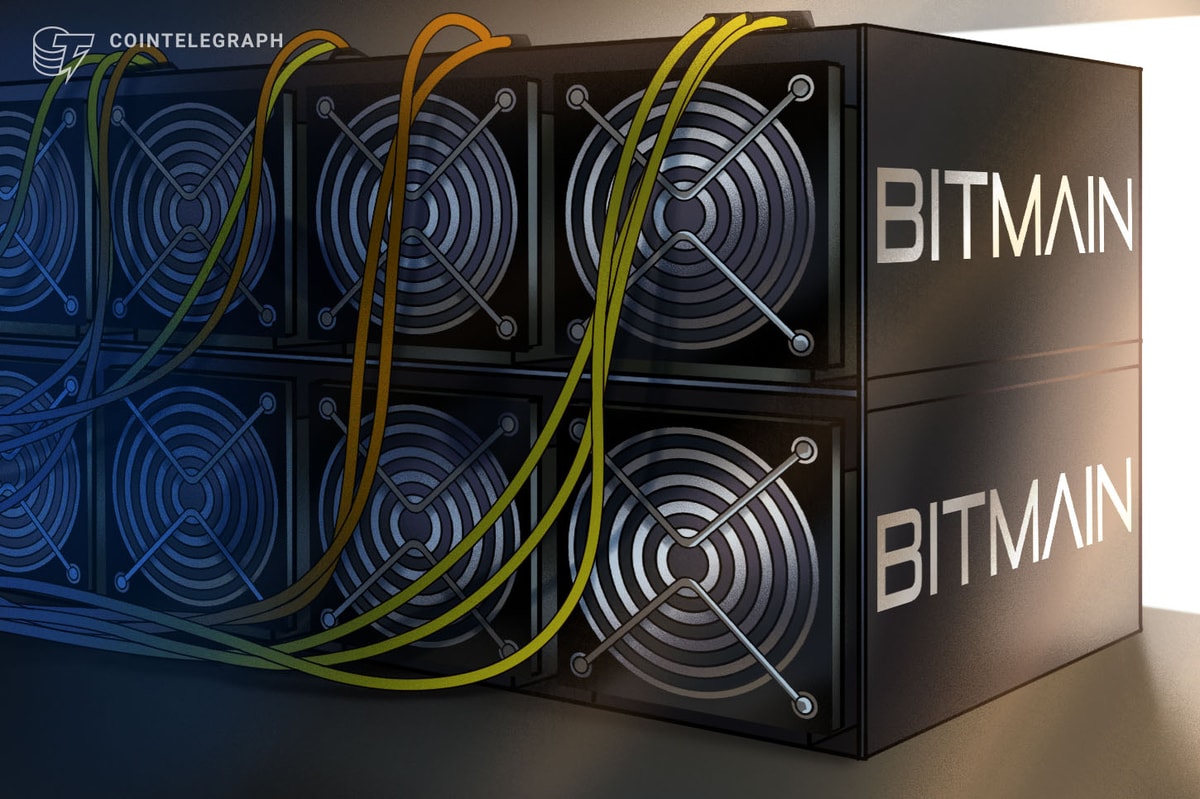
American Bitcoin, a notable Bitcoin (BTC) mining company backed by members of former US President Donald Trump’s family, has recently made headlines by exercising an option to acquire up to 17,280 application-specific integrated circuits (ASICs) from Bitmain, a leading manufacturer of crypto mining hardware. This purchase marks a significant step in the company’s mining operations, which aims to bolster its position in the competitive Bitcoin mining landscape.
Earlier this month, American Bitcoin finalized a deal to procure a fleet of 16,299 Antminer U3S21EXPH units, renowned for their efficiency and power. Collectively capable of delivering an astoundingly high computing power of 14.02 exahashes per second (EH/s), the deal amounted to approximately $314 million, as reported by TheMinerMag.
Certainly, the strategic timing of this acquisition is noteworthy. The deal is structured to mitigate any looming price increases that may arise from the trade tariffs imposed by the Trump administration. These tariffs affect imported goods, including mining hardware produced in China. Thus, American Bitcoin’s proactive approach shields it from potential fluctuations in the market due to regulatory pressures.
Bitmain’s Response to Tariff Pressures
In direct response to the pressures caused by tariffs, Bitmain has announced its intention to establish its first ASIC production facility in the United States by the end of this year. This significant move aims to alleviate the burden of import duties while positioning the company closer to a rapidly growing domestic market. Furthermore, plans are underway for a new headquarters location, with Florida and Texas being top contenders.
The broader ramifications of trade tariffs and macroeconomic fluctuations are impacting the entire Bitcoin mining supply chain. Miners and hardware manufacturers alike are recalibrating their strategies to navigate the ever-evolving financial landscape, ensuring competitiveness and sustainability.
Related: Jack Dorsey’s Block targets 10-year lifecycle for Bitcoin mining rigs
The Mining Industry’s Response to Economic Uncertainty
The ongoing trade tariffs have prompted leading mining hardware manufacturers to contemplate relocating substantial portions of their operations to the United States. This strategy aims to circumvent the import taxes associated with their products, which could significantly impact their bottom lines.
A recent study published by the University of Cambridge reveals that over 99% of all Bitcoin mining hardware is produced by just three companies: Bitmain, MicroBT, and Canaan. Bitmain, illustrating unparalleled dominance, boasts approximately 82% of the total market share in the mining hardware manufacturing sector. This concentration suggests that even minor shifts in production strategy could significantly influence the market dynamics.
The trade policies initiated by the Trump administration, which seek to reestablish manufacturing within the United States, have met with mixed responses. Critics argue that while the intention is noble, these policies could ultimately lead to inflationary pressures that might backfire. Jaran Mellerud, the CEO of BTC mining company Hashlabs, expressed concerns that increased prices due to tariffs may lead to a steep collapse in demand from US miners.
As demand wanes, ASIC manufacturers could find themselves with excess inventory, which they may then sell at reduced prices to foreign markets. This scenario could inadvertently push mining operations back to other countries, creating a competitive disadvantage for US-based miners and ultimately contradicting the administration’s goal of reshoring the crypto industry.
Magazine: US risks being ‘front run’ on Bitcoin reserve by other nations: Samson Mow
Explore More:
Latest Bitcoin News |