Introduction
In recent weeks, the political landscape in the United States has seen significant movement regarding cryptocurrency legislation. A last-minute political maneuver led to the approval of three notable crypto-related bills by the House of Representatives. Among them, the GENIUS Act stablecoin bill has garnered considerable attention, having already passed in the Senate and quickly signed into law. Another important piece of legislation is the CLARITY Act, which seeks to establish a framework for digital asset market structure and is expected to face rigorous debate in the Senate after the summer recess.
However, amidst these developments, the Anti-CBDC bill has slipped under the radar, despite its implications for the future of digital currencies. This article will explore the critical aspects of this legislation, questioning its necessity and effectiveness.
The Anti-CBDC Bill Unveiled
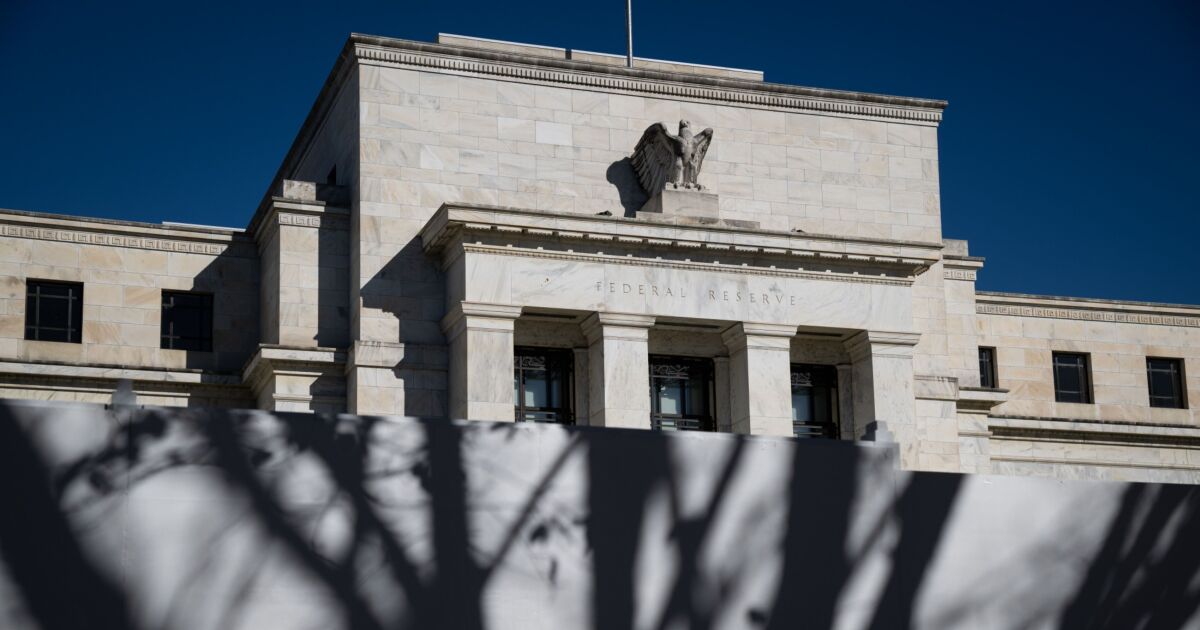
The Anti-CBDC bill, formally known as H. R. 1919, or the “Anti-CBDC Surveillance State Act,” is a concise document, spanning just one page. Its primary aim is to impose substantial constraints on the Federal Reserve in the event it considers issuing a central bank digital currency (CBDC) in replacement of physical cash. Companion legislation has been introduced in the Senate and is currently under review by the banking committee.
This bill strives to implement obstacles that prevent any Federal Reserve banks from providing financial products or services—whether digital or not—directly to individual consumers. In addition, it prohibits these institutions from issuing any form of digital money classified as a direct liability of the Federal Reserve System and made widely accessible to the public.
The Fed’s Current Mandate
Interestingly, Fed Chair Jerome Powell has reiterated that the U.S. central bank would require congressional approval to operate beyond its existing mandate, such as providing direct services to the public. Given the extensive buy-in needed from banks, businesses, and consumers—groups that would likely perceive such actions as overreach—substantial congressional approval is unlikely to be granted.
The legislation goes beyond merely banning retail CBDC issuance; it takes a forthright stance that the Federal Reserve “may not test, study, develop, create, or implement” anything resembling a CBDC. This harsh prohibition raises several critical concerns. For starters, it could restrict the Fed’s participation in international discussions exploring various modalities of digital issuance, potentially diminishing its global influence.
Moreover, the Fed’s involvement in initiatives like Project Agorá, which examines cross-border tokenized payments, could be jeopardized. The bill references a ban on “substantially similar” assets, leaving room for misinterpretation and obstructing necessary technological innovation.
Questioning the Motivation Behind the Bill
One might wonder why such stringent measures are needed to legislate against something that is unlikely to happen. Proponents of the bill argue that it is designed to safeguard our privacy, expressing legitimate concerns that a digital currency issued by the central bank could allow authorities to monitor transactions more closely and potentially manipulate user behavior.
However, the reality is that approximately 90% of payments today are already digital, and this figure is expected to rise as society increasingly shifts online. While some individuals may prefer cash in specific situations, transitioning away from cash payments is likely to become more challenging as businesses embrace digital transactions for their efficiency and simplicity.
Considering this landscape, how much privacy would genuinely be compromised if the Federal Reserve were to introduce a retail CBDC? The loss may not be as significant as many fear. Even if cash options were to vanish, digital currencies like cryptocurrencies exist and can operate independently from mainstream financial systems.
The Bigger Threats to Financial Privacy
While the focus on privacy is crucial, it ironically detracts attention from larger threats to financial privacy. The Bank Secrecy Act (BSA) offers authorities enormous access to transaction data collected from various intermediaries and compels financial institutions to report any payment labeled “suspicious.” This creates a broader risk to individual financial privacy than the potential introduction of a retail CBDC.
Attempts to reduce the scope of the BSA have been minimal and have not gained traction akin to the Anti-CBDC bill. Politicians are often hesitant to relinquish surveillance rights as doing so may lead to blame in the wake of unforeseen problems.
Furthermore, the current focus on protecting privacy overshadows a potentially disruptive reality. Mandating that a central bank introduce a CBDC could undermining existing financial structures without providing tangible benefits. By introducing a competing product, the central bank could undermine commercial banks while diverting consumer deposits into digital wallets. Such a scenario risks eroding confidence in the dollar within the world’s largest economy.
A Performance in Political Theater
Ultimately, the prevailing sentiment about the Anti-CBDC bill is that it serves mostly as a political spectacle. The likelihood of a retail CBDC being realized in the U.S. is minimal—whether this legislation comes into play or not. While the bill’s supporters might frame it as a victory for personal privacy, reality suggests otherwise.
Nonetheless, the heightened discourse surrounding the Anti-CBDC bill may create opportunities to re-ignite discussions surrounding financial privacy, prompting new inquiries and demanding reforms within the industry.
Conclusion
As the cryptocurrency realm continues to evolve under the microscope of legislative scrutiny, understanding the implications of bills like the Anti-CBDC Act is essential. Rather than simply accepting political narratives, analyzing the real threats to financial privacy and stability will be crucial for consumers, businesses, and lawmakers alike.
Navigating the intricate balance between innovation and regulation will ultimately define the future of digital currencies in the United States.
Explore More:
Latest Bitcoin News |