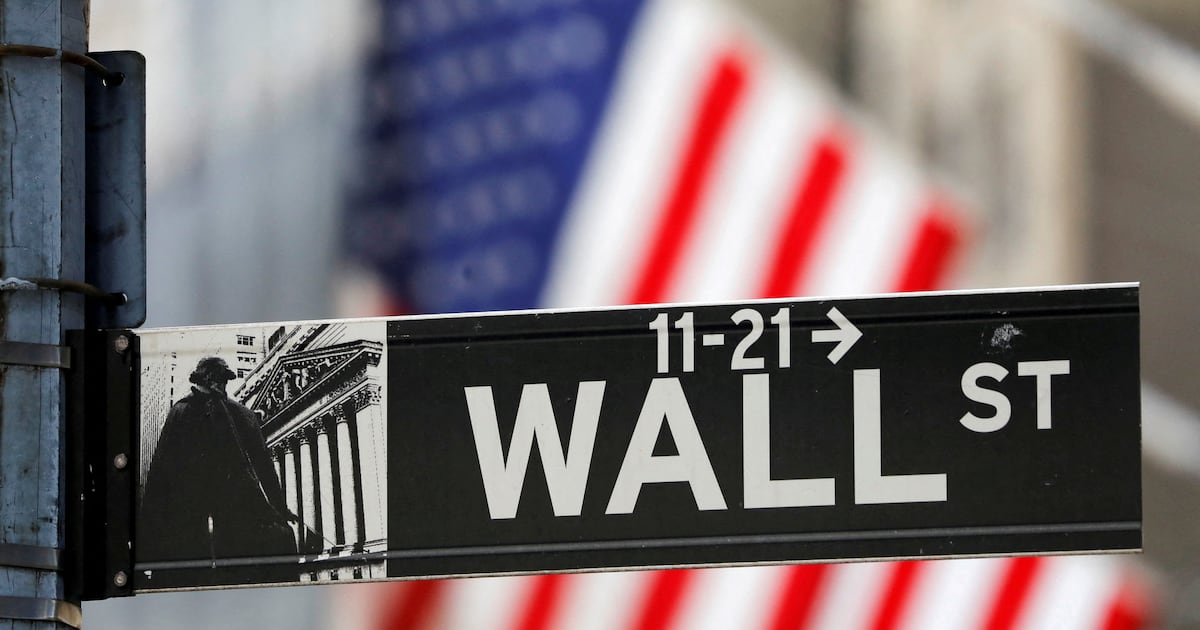
Wall Street Banks Embrace Cryptocurrencies Despite Past Criticisms
In recent years, there has been a notable transformation in the perception of cryptocurrencies among major financial institutions. After expressing skepticism towards digital currencies, Wall Street banks have begun to actively embrace cryptocurrencies as a legitimate asset class. This shift reflects a growing acknowledgment of the potential for blockchain technology and digital currencies to create new opportunities in the finance sector.
Historically, institutions like JP Morgan and Goldman Sachs were critical of cryptocurrencies, labeling them as speculative and risky. Despite these criticisms, the last few years have seen a significant change in their stance. Major banks are now offering crypto-related services and developing their own blockchain technologies. For instance, Goldman Sachs recently reopened a trading desk focused on cryptocurrency, showing a significant pivot in their approach toward digital assets.
Additionally, other banks are investing heavily in blockchain initiatives, recognizing its potential to enhance security, transparency, and efficiency in financial transactions. The growing interest from institutional investors has resulted in increased legitimacy for cryptocurrencies, enabling mainstream adoption.
Institutions Dominating Mainstream Crypto Narratives
As cryptocurrencies gain traction, financial technology executives have noted that institutions are beginning to dominate the mainstream narratives surrounding cryptocurrencies. This shift is crucial, as these institutions have frameworks in place to address regulatory concerns, manage risks, and facilitate large-scale adoption.
Fintech leaders emphasize that institutional involvement could lead to a significant transformation in how cryptocurrencies are perceived. Unlike retail investors, institutions have more access to capital and resources, allowing them to influence market trends. They are also more likely to advocate for regulations that provide a safer environment for additional investments in the crypto space.
Moreover, the presence of institutional investors brings a level of credibility that can counter some of the criticisms that cryptocurrencies have faced over the years. As more established financial entities align themselves with digital currencies, it encourages retail investors to consider cryptocurrency as a valid investment option.
The Search for Significant Institutional Investments
One of the key aspects of the cryptocurrency market is the influx of institutional investments. But are there significant capital flows into cryptocurrencies like Bitcoin and Ethereum? Recent trends indicate that institutions are indeed starting to allocate significant resources into these assets.
Blockchain research indicates that many institutional investors view cryptocurrencies as a hedge against inflation and market volatility. Notable entities such as pension funds, hedge funds, and family offices are all reportedly diversifying their portfolios to include cryptocurrencies. This move not only aims to optimize returns but also to mitigate risks associated with traditional investments.
Furthermore, Bitcoin has been frequently referred to as “digital gold,” which may attract risk-averse institutions seeking to protect their wealth against economic fluctuations. The year 2021 saw several high-profile companies, including Tesla and MicroStrategy, make substantial Bitcoin purchases, explaining how institutions are increasingly willing to invest in cryptocurrencies.
The Role of Institutional Investors in Driving Cryptocurrency Adoption
Institutional investors are playing a pivotal role in driving the adoption of cryptocurrencies by offering stability and encouraging innovation within the crypto ecosystem. Their entry into the market is seen as a critical factor for the maturation of the cryptocurrency space.
As institutions invest in cryptocurrencies, they are not just purchasing assets; they are also providing necessary liquidity to the market. This increased liquidity can be beneficial for price stability and can result in more favorable trading conditions. Institutional investors can also contribute to increased transparency through adherence to regulatory standards, thereby instilling greater confidence among retail investors.
Moreover, these institutions are also investing in technological advancements related to blockchain and cryptocurrency infrastructure. By enhancing the underlying technologies, they are ensuring that the digital assets remain secure and scalable, ready to meet the demands of a growing user base.
In conclusion, the evolving relationship between Wall Street banks, institutional investors, and cryptocurrencies illustrates a significant shift in the financial landscape. While skepticism towards digital currencies persists, the increasing involvement of reputable financial institutions is paving the way for widespread acceptance and legitimacy of cryptocurrencies as a viable financial asset class. This adoption could also create more opportunities for individual investors and contribute to the continued evolution of the financial sector as a whole.
Explore More:
Latest Bitcoin News |