Understanding the Digital Euro: Europe’s Strategic Response to Global Currency Threats
The prospect of a digital euro has been a topic of considerable discourse among European Central Bank (ECB) officials. They view the digital euro as a vital defense against the mounting threat posed by foreign digital currencies. The primary aim is to provide a reliable euro-denominated alternative that ensures both citizens and businesses can confidently operate within the eurozone’s monetary landscape. By creating a digital euro, the ECB believes it can harness the benefits of digital currencies while minimizing the risks associated with currency substitution.
Accelerating Progress: Calls for a Legislative Framework
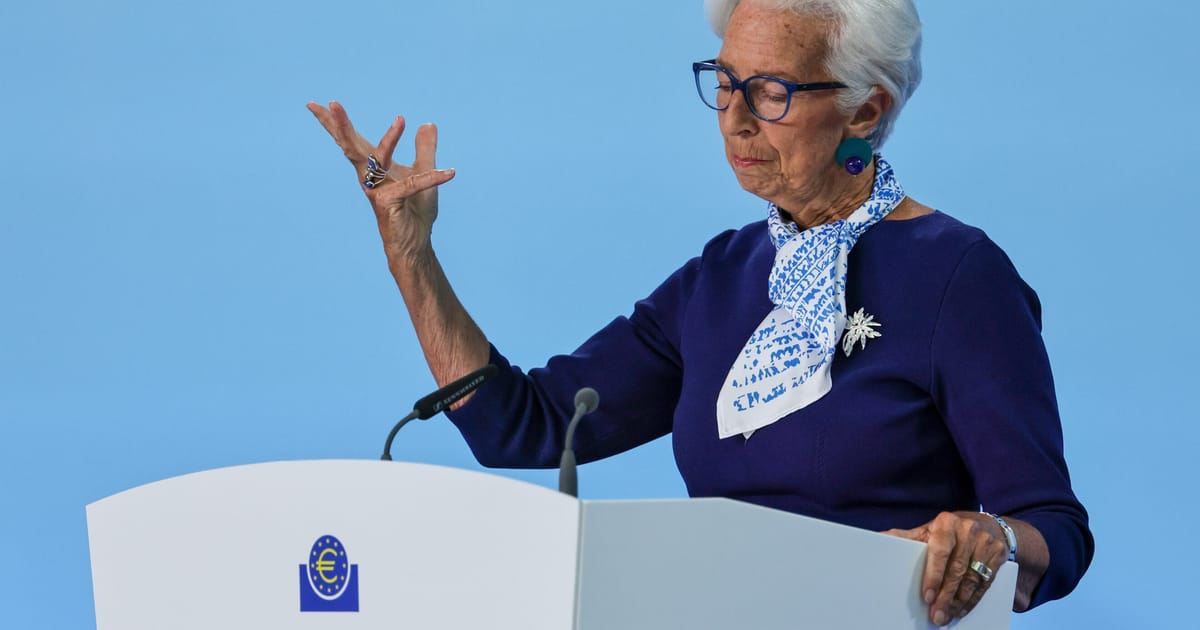
Christine Lagarde, the president of the ECB, has been at the forefront of pushing the digital euro initiative. Recently, she emphasized the need for swift action from lawmakers. “A legislative framework to pave the way for the potential introduction of a digital euro should be put in place rapidly,” she articulated during a speech to the European Parliament in June. Lagarde classified this move as a “strategic priority,” particularly to address the risks associated with stablecoins, which have gained traction in recent years.
Skepticism Regarding Stablecoins
Within the Governing Council of the ECB, there remains a cautious perspective towards stablecoins. Some members echo concerns raised by the Bank for International Settlements (BIS), which has indicated that stablecoins often do not meet the essential standards of “sound money.” The BIS advocates for stricter regulation in this arena, highlighting the potential vulnerabilities these coins could present to monetary stability.
Possible Role for Euro-Linked Stablecoins
Despite the skepticism, some ECB members acknowledge the potential for euro-linked stablecoins to play a transitional role between the current currency systems and the future digital euro. These stablecoins might serve as a valuable bridge until the digital euro is fully launched, a process that may take several years. Additionally, they could address specific market needs and reinforce the euro’s international presence.
Divided Economic Opinions on Digital Currency Development
The discourse surrounding digital currencies within Europe demonstrates a notable ideological divide. Economists who lean toward the political left typically possess a more cautious stance regarding the advancement of digital currencies, while right-leaning economists may be more amenable to supporting technology that has been chiefly developed in the private sector.
A Cautionary Stance on U.S. Stablecoin Models
In a recent paper published by the Center for Economic Policy Research, distinguished economists Jens van ’t Klooster, Edoardo Martino, and Eric Monnet warn against mimicking the U.S. stablecoin model. They argue that such a strategy would be a profound miscalculation. “This is neither realistic, given the incumbency advantage of the dollar, nor is euroization of third countries through risky stablecoins conducive to the EU,” they asserted.
A New Strategy: Promoting the Euro as a Trusted Asset
Instead of emulating the U.S. model, these economists suggest that Brussels should focus on establishing the euro as a globally trusted and safe asset, underpinned by robust institutions and regulation. This strategic pivot could help foster international demand for the euro.
“The EU should stick to promoting the internationalization of the euro as a safe asset that can be held without constraint,” they recommend. By doing so, third countries may adopt the euro as a counterbalance to stablecoin-induced dollarization, ultimately increasing long-term demand for the single currency.
Conclusion: The Future of the Digital Euro
As Europe contemplates the implications of digital currencies, the introduction of a digital euro appears to be an essential step towards safeguarding the eurozone’s economic integrity. While the debate between supporters and skeptics of stablecoins continues, the ECB’s proactive approach under Lagarde’s leadership suggests a commitment to establishing a secure financial ecosystem. The digital euro not only aims to shield the eurozone from external financial threats but also aspires to enhance its global standing as a reliable and trusted currency.
Explore More:
Latest Bitcoin News |