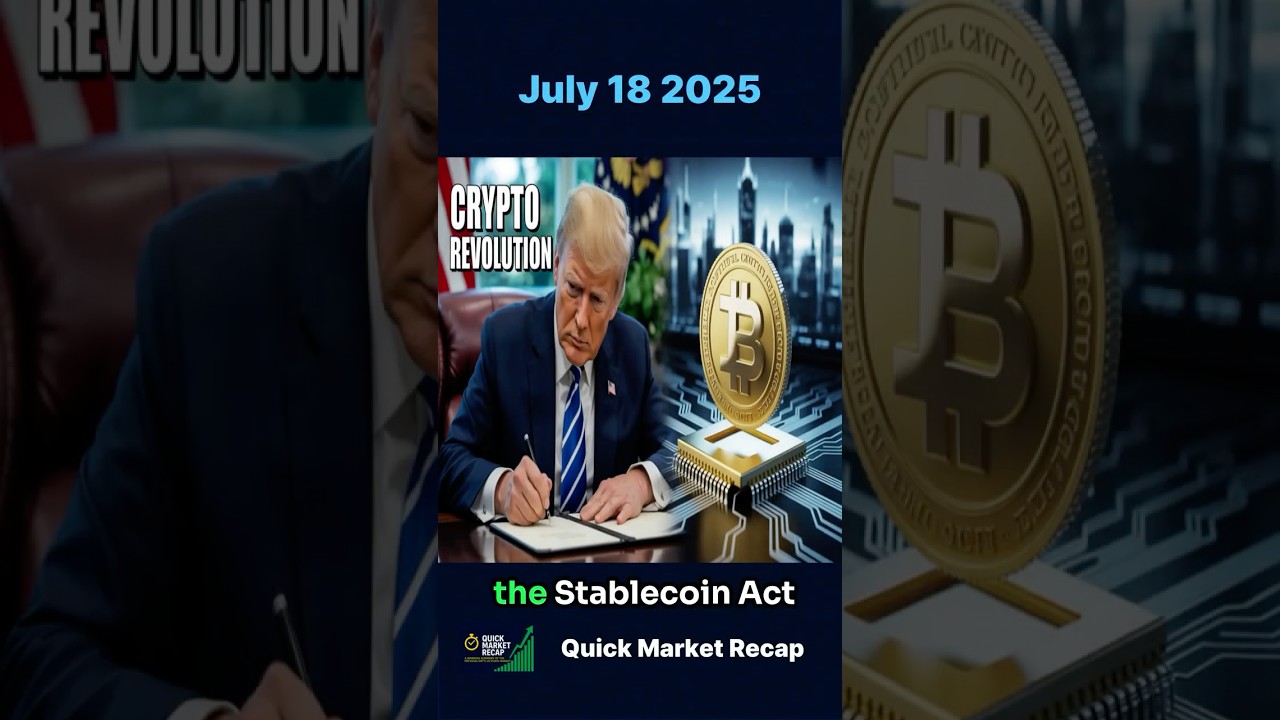
The Stablecoin Act: A Major Shift in US Financial Policy
In a significant move for the American financial landscape, former President Donald Trump recently signed the Stablecoin Act into law. This legislation represents a pivotal shift in the regulatory framework governing cryptocurrencies, particularly stablecoins. In this blog post, we will delve into what the Stablecoin Act entails, its implications for the financial industry, and what Trump’s accompanying promises regarding central bank digital currencies (CBDCs) mean for the future of digital finance in the United States.
What Are Stablecoins?
Before we unpack the Stablecoin Act, it’s essential to understand what stablecoins are. Stablecoins are a type of cryptocurrency designed to maintain a stable value by pegging them to a reserve asset, usually fiat currencies like the U.S. dollar. This stability allows them to serve as a medium of exchange and a store of value, making them attractive to both retail and institutional investors.
Stablecoins can be categorized into various types, including:
- Fiat-Collateralized Stablecoins: Backed 1:1 by a fiat currency held in reserve.
- Crypto-Collateralized Stablecoins: Backed by other cryptocurrencies.
- Algorithmic Stablecoins: Use algorithms to control supply and maintain price stability.
With the rise of stablecoins like Tether (USDT) and USD Coin (USDC), regulatory scrutiny has increased, leading to calls for clearer oversight.
Overview of the Stablecoin Act
The Stablecoin Act aims to establish a comprehensive regulatory framework to govern the issuance and management of stablecoins. Here are some key aspects of the Act:
1. Regulatory Oversight
Under the Stablecoin Act, stablecoin issuers will be required to adhere to certain regulatory standards, which include maintaining adequate reserves and full transparency about their operations. The Act mandates regular audits, ensuring that issuers have the necessary backing for each stablecoin in circulation.
2. Consumer Protection
One of the most critical components of the legislation is consumer protection. The Act includes provisions to safeguard the interests of consumers by ensuring that stablecoin issuers are held accountable for their practices. This can potentially reduce risks related to fraud, mismanagement, or market manipulation.
3. Facilitation of Innovation
By providing a clear framework, the Stablecoin Act seeks to promote innovation in the financial sector. It aims to encourage startups and established companies to leverage stablecoins in their business models, which can enhance efficiency in transactions and broaden financial inclusion.
Implications for the Financial Sector
The Stablecoin Act signifies a new era for the financial sector in the U.S. Here are some potential implications:
1. Increased Adoption of Stablecoins
With clear regulations in place, businesses and consumers may feel more confident in using stablecoins for transactions. This could lead to increased adoption and integration of stablecoins into various financial services, from payments to loans.
2. Impact on Traditional Banking
The rise of stablecoins could challenge traditional banking systems. As stablecoins become more widely accepted, consumers might prefer crypto-based transactions over conventional banking services, prompting banks to adapt their strategies.
3. Global Competitiveness
By establishing a solid regulatory environment for stablecoins, the U.S. positions itself as a leader in the global cryptocurrency market. This can attract international investments and talent, further solidifying the country’s status in the digital finance sector.
Trump’s Promise to Ban Central Bank Digital Currencies
While signing the Stablecoin Act was a significant step, Trump also made headlines by promising to ban central bank digital currencies (CBDCs). This approach indicates a clear preference for decentralized financial systems over government-controlled digital currencies. Here are key viewpoints regarding this promise:
1. Philosophical Stance
Trump’s opposition to CBDCs is rooted in the belief that they may undermine personal freedoms and privacy. Many critics argue that CBDCs can grant governments unprecedented control over individuals’ financial activities, potentially leading to increased surveillance.
2. Economic Considerations
Opponents of CBDCs often cite potential risks to the banking system, such as disintermediation, where consumers may bypass traditional banks entirely. This could destabilize the existing financial ecosystem, leading to broader economic ramifications.
Conclusion
The signing of the Stablecoin Act marks a transformative moment in the United States’ financial policy. It sets a comprehensive regulatory framework for stablecoins, enhances consumer protections, and potentially promotes innovation within the industry. Meanwhile, Trump’s promise to ban CBDCs reflects the ongoing debate regarding the balance between innovation in finance and the need for regulatory oversight.
As these developments unfold, it will be crucial for investors, businesses, and consumers alike to stay informed about the evolving landscape of digital finance. The Stablecoin Act may very well serve as a critical benchmark for future legislative efforts aimed at cryptocurrency regulation and adoption.
Originally published on YouTube. Watch the full video here.