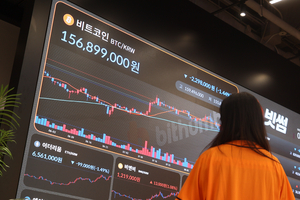
The Current Landscape of Cryptocurrency Holdings in South Korea
Those in their 20s have the highest average value of crypto holdings
As of August 5, 2023, South Korea has witnessed significant developments in the cryptocurrency landscape, particularly regarding the demographics of investors. Recent data revealed that approximately 10,810 South Koreans have accumulated more than 1 billion won (approximately $720,000) in digital assets. Notably, about one-fifth of the country’s population has opened accounts on one of the five major cryptocurrency platforms: Upbit, Bithumb, Coinone, Korbit, and GOPAX. This shift underscores the growing acceptance of cryptocurrency among South Koreans, reflecting a broader trend seen worldwide.
Understanding the Wealth Distribution Among Cryptocurrency Holders
According to the Financial Supervisory Service (FSS) data submitted to Rep. Park Seong-hoon of the opposition People Power Party, the average assets held by the wealthy crypto investors reached a staggering 2.23 billion won. This figure is over 200 times the average amount held by all users of the exchanges, which stands at around 10 million won. Such a disparity highlights the concentration of wealth among a small number of individuals heavily invested in cryptocurrency.
Interestingly, the majority of these affluent cryptocurrency holders are in their 40s and 50s, reflecting a trend often seen in investment behaviors where older individuals tend to allocate larger portions of their wealth to emerging asset classes like cryptocurrencies. In contrast, there are only 137 crypto investors in their 20s, yet this age group records the highest average holdings, amounting to 2.69 billion won per person. This suggests that younger investors are becoming increasingly confident and willing to invest significant sums in digital assets, despite their smaller numbers.
Demographic Insights: Who’s Investing in Cryptocurrency?
The total number of users across the five major exchanges stands at approximately 10.86 million. The greatest share of these users belongs to the 30-something demographic, accounting for around 3 million individuals. Following closely behind are those in their 40s, 50s, and 20s. The asset holdings vary significantly by age, with older participants generally possessing larger average investments. Specifically, the average assets held by those in their 20s were noted to be around 2.06 million won, contrasted by an impressive 23.4 million won among investors aged 60 and above.
Moreover, Rep. Park’s report reveals that an overwhelming 76 percent of the affluent group—those with over 1 billion won in cryptocurrency—favor using Upbit for their transactions. This preference highlights the platform’s dominance in the market, eclipsing its 52 percent market share among total users. Such concentrated usage indicates a level of trust in this particular exchange, suggesting it is well-regarded among larger investors.
It’s essential to note that the aforementioned figures do not encompass cash deposits made to each platform for crypto trading, which typically garners an interest rate of around 2 percent. This additional financial detail illustrates the full extent of capital flow within these platforms and the potential returns investors might expect from their holdings.
The Tax Landscape for Cryptocurrency in South Korea
South Korea to tax cryptocurrency from 2027
The taxation of cryptocurrencies has been a contentious issue within South Korea’s regulatory landscape. Initially, the government aimed to impose a tax on cryptocurrency capital gains beginning in 2023. However, responding to significant political and investor pushback, the government extended this grace period by two years, pushing the tax implementation date to January 1, 2027. This marked the second delay since the original plan, which aimed for a 22 percent tax on annual crypto income exceeding 2.5 million won.
This tumultuous journey towards regulation highlights the complexities of taxation in rapidly evolving markets. As cryptocurrencies gain traction, the need for clear policies is becoming more pressing, not only for government revenue but also to establish investor confidence.
According to FSS data, around 10 million users on the five major exchanges collectively hold approximately 111.65 trillion won in cryptocurrency. To contextualize this figure, South Korea’s nominal gross domestic product (GDP) for 2024 is estimated to be $1.87 trillion, or about 2,590 trillion won. The substantial cryptocurrency holdings in relation to the broader economy underscore the growing impact of digital assets on the financial landscape.
Conclusion
The data surrounding cryptocurrency investment in South Korea paints a vivid picture of a country actively engaging with digital assets. With younger individuals showing a willingness to invest heavily and an established base of older investors, the landscape is ripe for further growth. As the government navigates taxation, the industry will likely adapt, and investors will be watching closely. The future of cryptocurrency in South Korea remains promising, filled with opportunities and the potential for innovation.
For more insights into cryptocurrency trends and regulations, stay tuned for ongoing coverage.
Explore More:
Latest Bitcoin News |